Understanding Computer Recycling Newbury
The rapid advancement of technology has led to the accumulation of electronic waste at an unprecedented rate. When consumers upgrade their devices or businesses dispose of outdated equipment, it creates a pressing need for proper management of these materials. This is where computer recycling newbury comes into play. Responsible recycling not only prevents harmful materials from entering landfills but also promotes the reuse and recovery of valuable resources. In this article, we will delve into the critical aspects of computer recycling in Newbury, explore its benefits, and provide guidance on how to effectively recycle your old computers.
What is Computer Recycling?
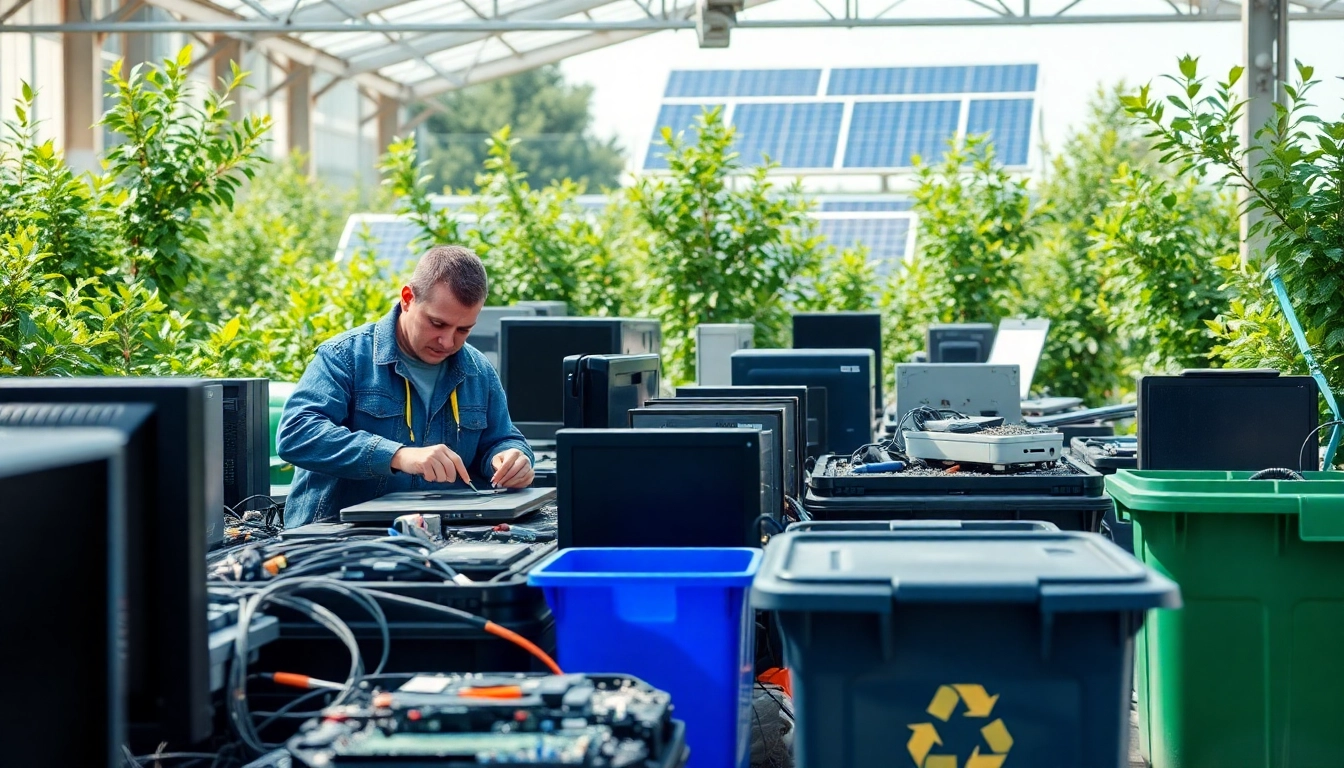
Computer recycling refers to the process of collecting, processing, and disposing of old or damaged computers and related equipment in an environmentally friendly manner. This process can involve disassembling the hardware, recovering valuable materials such as metals and plastics, and ensuring the safe disposal of hazardous components like batteries and circuit boards. Proper recycling is essential in preventing toxic substances from harming the environment and human health.
The Importance of Recyclable Electronics
Electronics contain a variety of materials, some of which can be detrimental to the environment if not managed correctly. For instance, lead, mercury, and cadmium are common toxic elements found in older computer components. These substances can infiltrate the soil and water supply, impacting local ecosystems and communities. Furthermore, electronic waste often includes precious metals such as gold, silver, and copper, which can be harvested and reused. By recycling, not only do we safeguard the environment, but we also contribute to the circular economy, which emphasizes maximizing resource use and minimizing waste.
How Computer Recycling Works
The computer recycling process generally follows several key steps:
- Collection: Old computers and electronic devices are collected from individuals, businesses, and institutions.
- Sorting: Collected items are sorted into categories based on their material composition and condition.
- Processing: The equipment is dismantled, and materials such as metals, plastics, and electronic components are separated for recycling or recovery.
- Disposal of hazardous waste: Any hazardous substances are disposed of correctly to prevent environmental contamination.
- Reuse and resale: Functional components may be repaired and resold, contributing to resource efficiency.
Benefits of Computer Recycling Newbury
Engaging in computer recycling offers multiple advantages, from environmental and economic benefits to enhanced data security. Let's explore each of these aspects in detail.
Environmental Impact
The environmental advantages of proper electronic recycling are substantial. By recycling old computers, we conserve valuable resources and reduce pollution. It is estimated that recycling can save significant amounts of energy compared to producing new products from raw materials, thus lowering greenhouse gas emissions. Additionally, recycling can prevent the harmful effects of e-waste on landfills, which often overflow with electronics that could otherwise be repurposed or recycled.
Data Security and Protection
Another critical benefit of recycling computers lies in data security. Old devices often contain sensitive information, which, if not destroyed correctly, could be accessed by unauthorized individuals. Reputable recycling services ensure that all data is irrevocably destroyed before devices are recycled or disposed of. This service is crucial for businesses handling sensitive information and individuals concerned about personal data privacy.
Local Economic Benefits
The local economy also stands to gain from effective computer recycling practices. By recycling locally, communities can foster job creation in the recycling and waste management sectors. Additionally, businesses that embrace eco-friendly practices can potentially enhance their reputations and attract environmentally-conscious consumers. Local recycling initiatives often lead to partnerships between businesses and recycling organizations, further bolstering the community's economic resilience.
How to Recycle Your Old Computer
When you're ready to recycle your outdated computer, it’s essential to follow a few key steps to ensure the process is safe, efficient, and effective.
Identifying Recyclable Materials
Not all computer components can be recycled, but many can. Common recyclable materials include:
- Metal (aluminum, copper, steel)
- Plastics (casing, components)
- Glass (screens)
- Circuit boards
- Batteries (which require special handling)
Finding Local Recycling Centers
Identifying a reliable recycling center is critical. Look for locations certified to handle e-waste, ensuring they adhere to environmental regulations. Local government websites often provide lists of recommended recycling facilities and regularly scheduled e-waste collection events, where residents can drop off items for free or at a low cost.
Preparing Computers for Recycling
Before recycling your computer, follow these steps to prepare it:
- Back up any important data.
- Wipe the hard drive using software that securely erases data.
- Remove batteries and any personal accessories.
- Package the computer securely for transportation if needed.
Challenges in Computer Recycling Newbury
Despite its importance, computer recycling in Newbury faces several challenges that can hinder effective implementation. Understanding these barriers can help communities and individuals overcome them.
Common Misconceptions
Misinformation about electronic recycling can lead to compliance issues and apathy among consumers. Many believe that simply discarding old electronics in the trash is acceptable. However, this contributes to environmental hazards and is illegal in many areas. Education and awareness campaigns are essential to clear the air regarding what can and cannot be thrown away.
Regulatory Issues
Compliance with local and national regulations regarding electronic waste disposal is critical. Each municipality may have different laws concerning e-waste, and these can change rapidly as technology evolves. Keeping abreast of these regulations can be a challenge for residents and businesses alike.
Technology Disposal Policies
Implementing effective technology disposal policies can be complex for businesses. Creating a structured plan that outlines how to handle outdated equipment, including data security measures, recycling options, and employee training, is vital. Businesses that lack clear policies may inadvertently mishandle e-waste, leading to legal complications and environmental harm.
Future of Computer Recycling in Newbury
As technology evolves, so too does the landscape of computer recycling. Adapting to upcoming trends and advancements will be crucial in shaping responsible e-waste management practices.
Innovations in Recycling Technologies
The development of new recycling technologies promises to make the processing of e-waste more efficient and less harmful to the environment. Innovations such as improved sorting machinery, advancements in material recovery, and automated systems will enhance the recycling processes, leading to better resource recovery rates.
Community Initiatives for Awareness
Community-led initiatives can foster greater awareness around computer recycling. Local workshops and educational programs, combined with school partnerships, can empower citizens to take action and understand the importance of responsible recycling. By engaging various stakeholders, including local businesses and educational institutions, communities can promote sustainable practices and increase participation in recycling programs.
Sustainable Practices for the Future
The future of computer recycling will rely heavily on established sustainable practices. Manufacturers increasingly emphasize designing products conducive to recycling, using recyclable materials, and integrating take-back programs, making it easier for consumers to recycle old electronics responsibly. Long-term sustainability relies on collective efforts from manufacturers, consumers, and recycling facilities to close the waste loop effectively.
Frequently Asked Questions
How do I safely dispose of my old computer?
Using certified recycling services ensures that your old computer is disposed of safely. You can also check for local e-waste collection events that follow proper disposal guidelines.
What is the correct way to dispose of old computers?
Recycling is the preferred method for disposing of old computers. It prevents waste and allows valuable materials to be recovered for future use. Check with your local recycling center for guidelines.
What types of electronics can be recycled?
Most electronics can be recycled, including computers, laptops, monitors, televisions, printers, and mobile phones. Always consult your local guidelines for specific instructions.
Are there any fees for recycling computers?
Some recycling centers charge fees for processing e-waste, while others offer free services during designated collection events. It's best to inquire beforehand to understand any potential costs.
Can I donate my old computer instead of recycling it?
Yes, donating functional computers is a great option. Many charities and organizations accept donations and refurbish them for use in schools and community programs.