
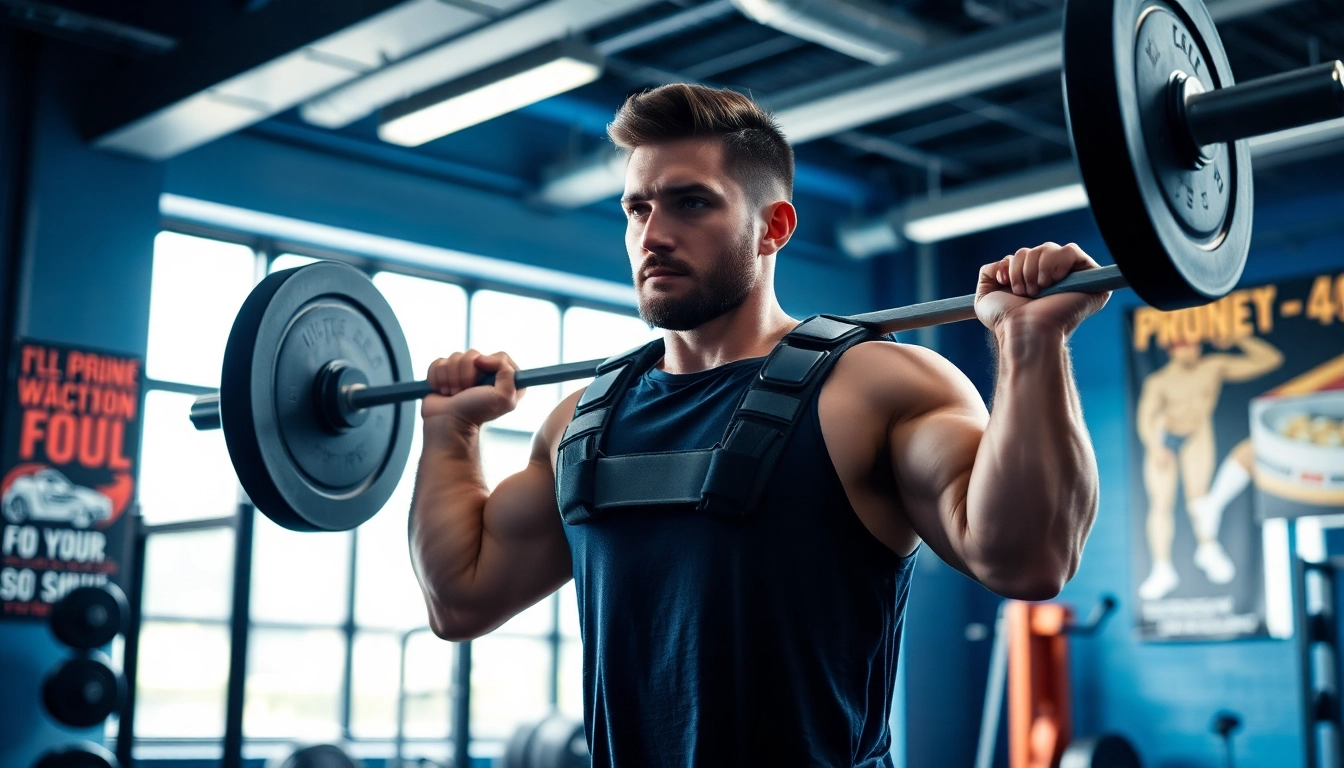
The Importance of a Shoulder Brace for Weightlifting
In the world of weightlifting, the shoulder plays a pivotal role in various lifts, making it susceptible to strains, tears, and other injuries. As athletes and fitness enthusiasts strive for that perfect lift, the risk of shoulder injury can become a real concern. This is where a well-designed shoulder brace for weightlifting can be invaluable. These supportive devices not only provide stability but also enhance overall performance by allowing users to focus on their strength rather than their injuries.
Understanding Shoulder Injuries in Weightlifting
Shoulder injuries in weightlifting can arise from a variety of causes, ranging from overuse to incorrect lifting mechanics. Common injuries include rotator cuff tears, shoulder impingement, and tendinitis. These conditions can lead to significant pain and discomfort, hindering performance and sometimes requiring long rehabilitation periods. Understanding these injuries helps athletes recognize the importance of prevention and support during workouts.
How a Shoulder Brace Provides Support
A shoulder brace is designed to stabilize the joint, limit excessive movement, and provide compression to reduce swelling. Most modern braces are made from breathable materials that support comfort during extended wear. Whether you are recovering from an injury or looking to prevent one, a shoulder brace can act as a supportive partner in your weightlifting journey.
Real-Life Benefits from Users
Numerous athletes have shared their success stories regarding the use of shoulder braces during their training. One notable user reported, “After using the shoulder compression sleeve, I noticed a significant decrease in pain while lifting. It gave me the confidence to push myself harder in the gym.” Such testimonies highlight the functional benefits of these devices, emphasizing their role not just in recovery but in enhancing overall lifting capacity.
Choosing the Right Shoulder Brace
Finding the perfect shoulder brace requires consideration of several key factors. With various models available on the market, it’s essential to pinpoint what best suits your specific needs, whether you focus on weightlifting, recovery, or daily activities.
Key Features to Look For
When selecting a shoulder brace, look for the following features:
- Adjustability: Ensure the brace can be adjusted for a snug fit.
- Breathability: Opt for materials that allow airflow, reducing sweat and discomfort.
- Support Level: Consider whether you need light support for prevention or heavy support for injury recovery.
- Range of Motion: Choose a brace that supports your shoulder while allowing for necessary mobility.
Comparing Different Types of Shoulder Braces
There are generally three types of shoulder braces: compression sleeves, immobilizers, and posture correction braces. Compression sleeves are ideal for light support and improved blood flow, while immobilizers are perfect for those recovering from injuries. Posture correction braces can help prevent injuries caused by poor posture during lifts.
Best Practices for Sizing and Fit
To maximize the effectiveness of your shoulder brace, it’s vital to ensure a proper fit. Measure the circumference of your upper arm and shoulder to find the appropriate size in accordance with the manufacturer's guidelines. A well-fitted brace should feel snug but not restrictive, allowing for normal blood circulation and comfort.
Incorporating a Shoulder Brace into Your Routine
Integrating a shoulder brace into your workout regimen can be seamless if approached correctly. Here are ways to effectively incorporate support into your routines.
When to Wear a Shoulder Brace During Workouts
Wearing a shoulder brace should be part of your warm-up routine, particularly if you know you’ll be engaging in heavy lifting or if you’ve experienced previous shoulder issues. Additionally, it’s advisable to wear it during any strenuous activity that may induce redislocation or pain.
Exercises to Combine with Shoulder Support
While wearing a shoulder brace, focus on exercises that strengthen your shoulders without excessive strain. Some effective moves include:
- Band pull-aparts
- Dumbbell shoulder presses
- Face pulls
- Light rotator cuff exercises
Adjusting to Wearing a Brace: Tips and Tricks
It may take some time to get used to the feeling of wearing a shoulder brace while exercising. Start by gradually increasing the duration of wear during workouts, allowing your body to adapt. Additionally, pairing the brace with proper warm-up and cool-down routines can enhance comfort and effectiveness.
Common Misconceptions about Shoulder Braces
Despite their growing popularity, numerous misconceptions surround the use of shoulder braces in weightlifting. Understanding these myths can help athletes make informed choices regarding their usage.
Debunking Myths Around Mobility
A common myth is that wearing a shoulder brace inhibits mobility entirely. In reality, many braces are designed to allow the user a full range of motion while providing necessary support. This enables continued physical activity without compromising safety.
Understanding the Limits of Support
While shoulder braces offer significant advantages, they should not be viewed as a complete solution for shoulder injuries. Their primary function is to support and stabilize; they are not a substitute for proper medical treatment or rehabilitation exercises.
How Braces Aid in Recovery, Not Just Performance
Incorporating a shoulder brace into your routine can facilitate recovery from existing injuries. Many users have reported a decrease in pain and an increase in confidence while lifting, which makes it a valuable tool for both recovery and performance enhancement.
Future Trends in Shoulder Braces for Weightlifting
As we look forward to 2025, advancements in shoulder brace technology promise to enhance user experience and performance benefits.
Innovations in Design and Materials for 2025
Expect to see shoulder braces made from even more breathable and lightweight materials that provide optimal support without adding bulk. Innovations like moisture-wicking fabrics and ergonomic designs will ensure comfort during intense workouts.
The Role of Technology in Performance Enhancement
With the rise of smart technology, future shoulder braces may incorporate sensors to monitor muscle engagement and joint stability, allowing athletes to adjust their technique in real-time for safer lifting practices.
Expert Insights on the Evolving Landscape of Support Gear
Experts predict that as more athletes embrace the use of support gear, we will see not only improvements in design but also an increase in tailored solutions for specific types of injuries and athletic needs. This focus on individualized support can lead to safer training environments and fewer injuries in the long run.