
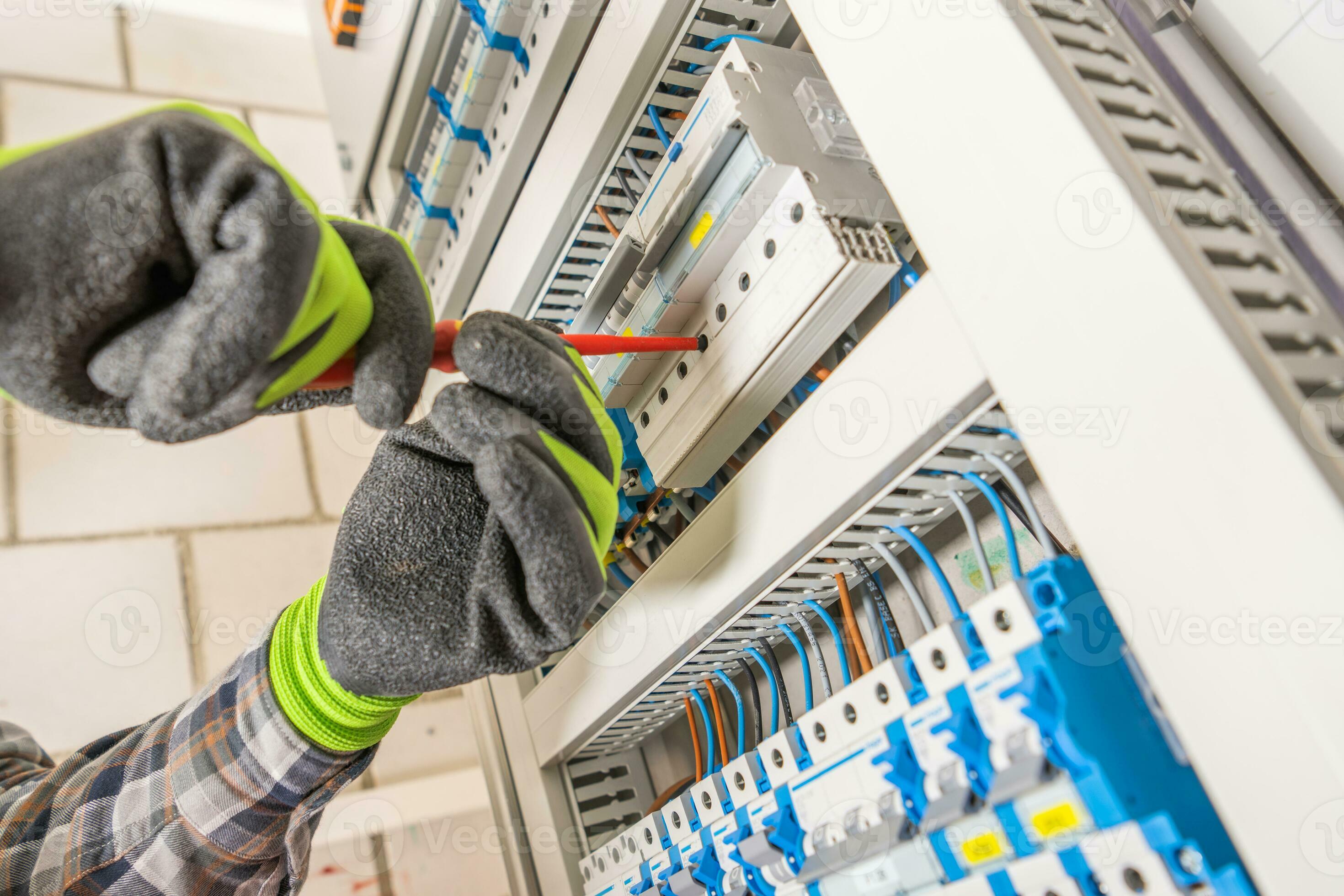
Ensuring electrical safety in your home or workplace starts with proper fusebox installation. A professional fusebox installation guarantees that your electrical system functions efficiently while minimizing the risks of electrical hazards. Fusebox installation is crucial for protecting your property from electrical overloads, short circuits, and potential fire hazards. Many homeowners and business owners underestimate the importance of fusebox installation, yet it is one of the most critical components of any electrical system. Whether you are upgrading an old electrical system or installing a new one, fusebox installation ensures that your circuits are correctly managed, enhancing both safety and reliability. Fusebox installation also allows for better control over your energy consumption and provides a structured way to isolate electrical faults when they occur. In addition, fusebox installation performed by certified electricians complies with local regulations and standards, giving you peace of mind that your electrical infrastructure is safe and efficient.
Understanding Fusebox Installation
What Is a Fusebox?
A fusebox, also known as a consumer unit, is the central hub of your electrical system. It distributes electricity to various circuits throughout your home or office while providing protection through fuses or circuit breakers. Fusebox installation ensures that each circuit receives the correct current and prevents overloads that can damage appliances or cause fires. Fusebox installation is not merely about connecting wires; it involves careful planning to ensure that the load distribution is balanced and compliant with safety standards.
Why Professional Fusebox Installation Matters
Professional fusebox installation reduces the risk of electrical accidents. Amateur or DIY fusebox installation can result in improperly connected circuits, insufficient grounding, or overloaded systems. Certified electricians performing fusebox installation follow strict protocols to ensure that every component, including fuses, breakers, and wiring, is correctly installed. A reliable fusebox installation can prevent costly repairs, reduce energy wastage, and extend the lifespan of your electrical system.
Key Considerations for Fusebox Installation
Choosing the Right Fusebox
Selecting the correct fusebox for your property is a vital part of fusebox installation. Different properties have varying power demands, and a professional installer evaluates your requirements to recommend the most suitable unit. Modern fusebox installation often involves upgrading to a consumer unit with Residual Current Devices (RCDs) and Miniature Circuit Breakers (MCBs) for enhanced protection.
Planning the Circuit Layout
Fusebox installation requires careful planning of the circuit layout. Each circuit must be clearly labeled and designed to handle specific electrical loads. Proper fusebox installation ensures that high-demand appliances, like ovens or HVAC systems, have dedicated circuits, reducing the risk of overloading. This structured approach simplifies maintenance and makes it easier to identify and isolate electrical issues when necessary.
Compliance with Safety Standards
Fusebox installation must comply with local electrical codes and safety regulations. Professional electricians conducting fusebox installation ensure that every aspect of the setup meets legal requirements. This compliance protects both the property and its occupants, offering a safeguard against electrical hazards and potential insurance issues.
Related Electrical Safety Entities
During fusebox installation, several related entities come into play. Electrical wiring suppliers provide certified cables and protective devices. Safety regulators oversee compliance with national standards, and certified electricians execute the installation process. Additionally, testing equipment manufacturers offer tools to verify the integrity of the installation. Coordinating these entities ensures that fusebox installation is thorough, reliable, and safe.
Benefits of Professional Fusebox Installation
Enhanced Safety
One of the primary benefits of professional fusebox installation is enhanced safety. Properly installed fuseboxes protect against electrical shocks, fire hazards, and equipment damage. Each fuse or breaker is carefully selected and installed to manage specific circuit loads effectively.
Improved Energy Efficiency
Fusebox installation also contributes to energy efficiency. With correctly allocated circuits and load management, electricity consumption can be optimized. This prevents unnecessary energy loss and lowers utility bills over time.
Easier Maintenance
A professionally installed fusebox allows for easier maintenance. Clear labeling, organized wiring, and access to all breakers or fuses simplify troubleshooting and repair. Fusebox installation, when done correctly, ensures that electricians can quickly address any electrical issues in the future.
Common Fusebox Installation Subtopics
Upgrading an Old Fusebox
Many older homes have outdated fuseboxes that do not meet modern safety standards. Fusebox installation in such cases involves replacing the old unit with a modern consumer unit that incorporates RCDs and MCBs.
Fusebox Installation for New Builds
In new construction, fusebox installation is a planned part of the electrical system design. Early installation allows for proper circuit distribution and future scalability.
Emergency Fusebox Replacement
Fusebox installation may be required urgently if an existing unit is damaged or poses a safety risk. Emergency installation ensures that electrical service is restored safely and quickly.
FAQs About Fusebox Installation
1. How long does a typical fusebox installation take?
The duration of fusebox installation depends on the complexity of the system. Standard installations may take a few hours, while upgrades or extensive rewiring can take a full day or more.
2. Can I do fusebox installation myself?
Fusebox installation should only be performed by licensed electricians. DIY installation can be extremely dangerous and may violate local electrical regulations.
3. How often should fuseboxes be inspected?
Professional inspection of fuseboxes is recommended every 3 to 5 years. Regular checks ensure that all circuits and protective devices function correctly.
4. What signs indicate a fusebox needs replacement?
Signs include frequent tripping, buzzing noises, burning smells, or visible wear and tear. Fusebox installation by professionals can resolve these issues safely.
5. Does fusebox installation improve property value?
Yes, a modern and safe electrical system, achieved through professional fusebox installation, can increase property value and attract potential buyers.
Conclusion
Fusebox installation is a crucial aspect of electrical safety in any home or workplace. Professional fusebox installation ensures that your electrical system operates efficiently, safely, and in compliance with regulations. From selecting the right unit to planning circuit layouts and performing inspections, fusebox installation involves meticulous attention to detail. The benefits of professional fusebox installation include enhanced safety, improved energy efficiency, and easier maintenance. Whether you are upgrading an old system, installing a new one, or responding to an emergency, fusebox installation by certified electricians guarantees the reliability and safety of your electrical infrastructure. Proper fusebox installation protects your property, minimizes risks, and provides peace of mind for years to come.