Understanding Leak Detection: What Every Homeowner Should Know
Leak detection is a crucial aspect of home maintenance that often goes unnoticed until significant damage occurs. As a homeowner, understanding the implications of undetected leaks can save you time, money, and stress in the long run. From rising utility bills to structural damage, the risks associated with leaks highlight the necessity of professional leak detection services. When exploring options, leak detection provides comprehensive insights into how to prevent serious issues before they escalate. This article explores the importance of early detection, common types of leaks, and signs to look out for, equipping you with the knowledge needed to keep your home safe and efficient.
The Importance of Early Leak Detection
Early leak detection plays a vital role in maintaining the integrity of your home and safeguarding your finances. A small leak can lead to severe water damage, mold growth, and costly repairs if not addressed promptly. For instance, a hidden leak behind a wall can weaken structural elements, necessitating extensive renovations. By identifying leaks early, you minimize the risk of property damage and create a healthier living environment. Additionally, early leak detection can significantly reduce waste, promoting environmental sustainability by conserving water resources.
Common Types of Household Leaks
Household leaks can manifest in various forms, each requiring different detection methods. Common types include:
- Water Supply Leaks: These occur in your home's plumbing, including pipes and fixtures, and can lead to high water bills and moisture damage.
- Heating System Leaks: Issues with radiators or boiler pipes can introduce water into your heating system, affecting efficiency and comfort.
- Gas Leaks: Gas leaks are particularly hazardous and require immediate professional attention.
Understanding these common leak types can help homeowners recognize when it's time to call for professional help.
Signs of a Leak: How to Identify Problems Early
Being vigilant about the signs of leaks can save you from significant headaches. Here are a few indicators to watch for:
- Unexplained Water Bills: A sudden spike in your water bill can signal a leak somewhere in your plumbing.
- Damp Spots: Look for water stains on walls, ceilings, or floors, which can indicate hidden leaks.
- Mold Growth: The presence of mold or mildew is a strong indicator of moisture problems.
Identifying these signs early allows for prompt leak detection and repair, mitigating the potential damage.
Advanced Leak Detection Technologies
As technology continues to evolve, so do the methods for detecting leaks. Modern leak detection technologies are designed to provide accurate, non-invasive solutions that can identify leaks quickly and efficiently. Understanding these advanced methods can help homeowners appreciate the value of professional services.
How Thermal Imaging Improves Leak Response Times
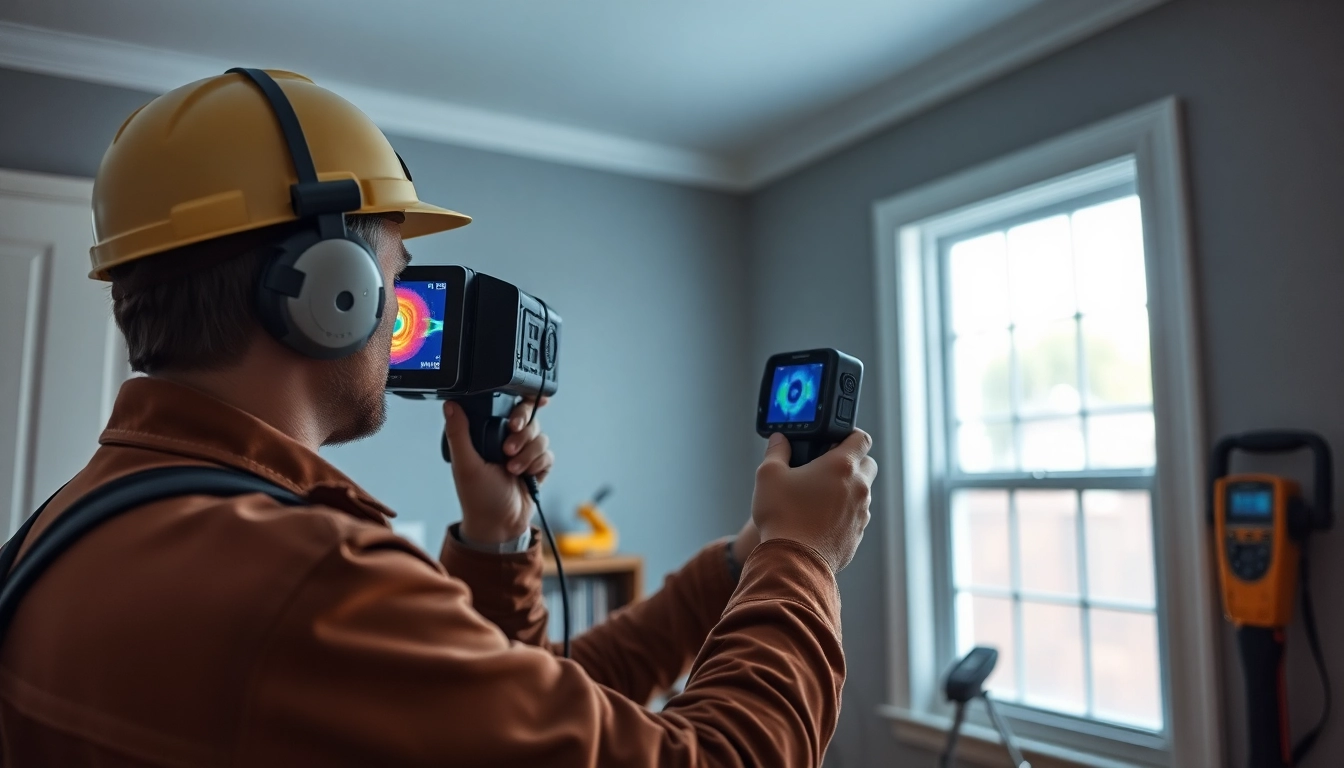
Thermal imaging is a cutting-edge technology used in leak detection that identifies temperature variations caused by leaks. By using thermal cameras, technicians can quickly locate leaks behind walls or under floors without any invasive measures. This technique not only speeds up the leak detection process but also allows for precise identification of the problem area, leading to targeted and efficient repairs.
The Role of Acoustic Listening Devices in Finding Leaks
Acoustic listening devices play a crucial role in pinpointing the location of leaks. These devices amplify the sounds of escaping water or gas, enabling technicians to detect leaks even when they are buried underground or hidden within walls. This method is particularly effective for sound-based leak detection in residential and commercial properties, allowing for accurate diagnosis without excessive digging or demolition.
Comparing Traditional vs. Modern Leak Detection Methods
Traditional leak detection methods often involve invasive techniques, such as digging and extensive plumbing work. In contrast, modern methods prioritize non-invasive techniques that minimize disruption to your home. While traditional methods can be effective, they often require more time and resources. Emphasizing non-invasive methods shows that leak detection has evolved, providing homeowners with more effective and efficient solutions.
The Leak Detection Process: A Step-by-Step Guide
Understanding the leak detection process can help homeowners feel more informed and engaged when they call in professionals for assistance. This section outlines what to expect during a typical leak detection service.
Initial Assessment: What to Expect During a Service Call
When a leak detection technician arrives, they will conduct a thorough initial assessment. This usually includes questioning the homeowner about observed symptoms, any previous plumbing issues, and immediate environmental conditions. The technician will then inspect visible areas of plumbing and may utilize tools like moisture meters to identify moisture levels in walls and floors. This assessment lays the groundwork for an effective leak detection strategy.
Utilizing Technology for Accurate Leak Identification
Once the initial assessment is complete, technicians will deploy advanced technologies, such as thermal imaging and acoustic devices, to accurately locate the leak. By correlating data from these tools, they can create a detailed profile of the leak's characteristics, ensuring that repairs can be accurately targeted.
Reporting Findings: Understanding Your Leak Detection Report
After the leak has been identified, the technician will provide a detailed report outlining their findings. This report typically includes photographs, recommendations for repairs, and a cost estimate for addressing the leak. Understanding this report is crucial for homeowners to make informed decisions about necessary repairs and ongoing maintenance.
Cost Considerations for Leak Detection Services
Understanding the costs associated with leak detection services is essential for homeowners planning a budget. Several factors contribute to the overall pricing of these services.
Average Pricing: What You Should Budget for Leak Detection
The average cost of leak detection services typically ranges from $175 to $350, depending on factors such as the complexity of the leak and the technology used. More advanced services may incur higher fees, especially if extensive diagnostics are required.
Factors Influencing Leak Detection Costs
Several key factors can influence the cost of leak detection services:
- Accessibility: Easily accessible areas with visible plumbing may cost less to inspect compared to hard-to-reach locations.
- Type of Leak: Gas and heating system leaks often necessitate specialized knowledge and equipment, potentially increasing costs.
- Technology Used: The use of advanced technology like thermal imaging will also impact the overall service fee.
Ways to Save on Leak Detection Services Without Compromising Quality
Homeowners looking to save on leak detection services can consider a few strategies:
- Routine Inspections: Schedule regular plumbing inspections to catch potential leaks before they escalate.
- DIY Awareness: Educate yourself on common leak signs to help identify issues early.
- Shop Around: Obtain quotes from several service providers to find competitive pricing.
Future Trends in Leak Detection for 2025 and Beyond
As we look ahead, it's clear that the landscape of leak detection is continually evolving. Emerging trends are set to redefine how we approach leak detection in residential properties.
Smart Technologies: The Next Generation of Leak Detection
Smart leak detection technologies are gaining traction, with devices that monitor water usage and alert homeowners to unusual patterns. These systems use IoT technology to provide real-time feedback, enabling homeowners to address leaks proactively before they cause significant damage.
Predictive Maintenance and Its Impact on Leak Detection
Predictive maintenance strategies are becoming increasingly relevant in leak detection. By utilizing data analytics and machine learning, homeowners can predict potential leak issues before they even arise. This proactive approach represents a significant advancement in home maintenance technology.
Sustainability and Eco-Friendly Leak Detection Practices
As environmental awareness grows, there is a trend toward sustainable leak detection practices. Companies are developing eco-friendly solutions that minimize material waste and promote resource conservation, ensuring that leak detection aligns with broader sustainability goals.