Understanding Water Leak Detection
Water leaks can be a homeowner's worst nightmare, leading to extensive property damage, mold growth, and high utility bills. Effective water leak detection is paramount for maintaining the integrity and safety of your home. This guide explores what water leak detection entails, its importance, common types of leaks, and presents advanced technology for identifying these issues.
What is Water Leak Detection?
Water leak detection refers to the process of identifying and locating leaks in plumbing systems, which can occur in various locations, including hidden pipes within walls or under floors. The methods utilized can range from manual assessments to advanced technological solutions aimed at pinpointing the sources of leaks without causing additional damage.
The Importance of Timely Detection
Detecting leaks early can save homeowners significant amounts of money and stress. Water accumulation from leaks can lead to structural damage, mold growth, and increased utility costs. Immediate action not only curtails potential damage but also reduces the likelihood of extensive repair needs.
Common Types of Water Leaks in Homes
Water leaks can manifest in multiple forms, each requiring different approaches for detection and repair:
- Pipe Leaks: Often caused by corrosion, age, or external pressure on pipes.
- Slab Leaks: Occur in the plumbing pipes beneath the foundation, which can lead to significant structural issues if left untreated.
- Fixture Leaks: Found in faucets, toilets, and appliances, they are generally easier to detect and fix.
- Roof Leaks: Result from damaged shingles, improper installations, and weathering effects, leading to interior water damage.
Advanced Technologies for Water Leak Detection
The advent of technology has significantly improved how leaks are detected and managed. Various advanced technologies are now employed to identify leaks with greater accuracy and less disruption to the property.
Utilizing Thermal Imaging Cameras
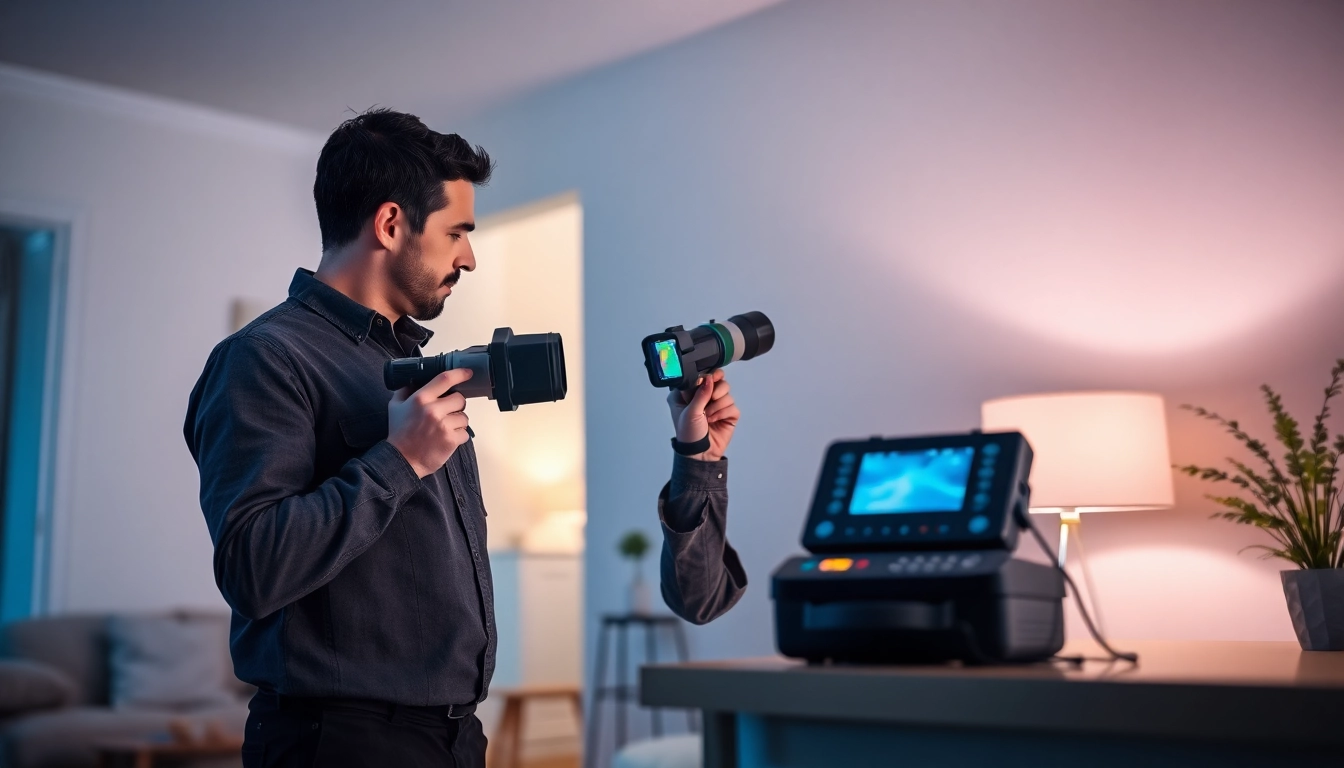
Thermal imaging cameras are crucial tools in detecting water leaks. These devices can reveal hidden moisture by detecting temperature variations in walls and ceilings. Cold spots may indicate the presence of water, allowing technicians to locate the likely source of a leak without invasive measures.
Understanding Acoustic Listening Devices
Acoustic listening devices operate by amplifying the sounds of water escaping from pipes. Even when a leak is underground or concealed within walls, these devices can detect the faint sounds of escaping water, enabling technicians to pinpoint leak locations accurately.
The Role of Tracer Gas Detection
Tracer gas detection involves introducing a safe, odorless gas into a plumbing system. This gas will escape at any leak points, allowing for precise location identification. It’s especially effective for minor or hard-to-reach leaks, making it a preferred option for many professionals.
Signs You May Have a Water Leak
Being aware of the early warning signs of leaks can help homeowners take proactive measures before damage escalates. Here are some common indicators:
Unexplained Increases in Water Bills
A sudden spike in your water bill can be a major red flag. If your water usage has not changed significantly, yet your bill shows a marked increase, it could indicate a hidden leak somewhere in your plumbing system.
Visible Signs of Dampness and Mold
Spotting damp patches on walls, ceilings, or floors, as well as the presence of mold growth, suggests that there may be a leak nearby. These signs should be addressed promptly to prevent further health risks and property damage.
Changes in Water Pressure
Fluctuations in water pressure may signal that there is a leak in your plumbing. If you notice that your faucets are not delivering water as strongly as they used to, it may be time to investigate further.
Professional vs. DIY Water Leak Detection
While some homeowners may attempt to detect leaks on their own, there are distinct advantages to hiring professionals who specialize in water leak detection.
When to Call a Professional
If you notice any of the signs mentioned earlier, it's advisable to consult a professional. Certified leak detection specialists have the training and tools necessary to efficiently locate and repair leaks, often saving you time and money in the long run.
DIY Techniques for Leak Detection
For those inclined to take a hands-on approach, several DIY techniques can help identify potential leaks:
- Checking Water Meters: Monitor your water meter before and after a period of non-usage. If the meter moves, a leak may be present.
- Inspecting Damage: Regularly check areas around appliances and fixtures for signs of water damage or pooling.
- Using Food Coloring: Add food coloring to your toilet tank. If it appears in the bowl, there's a leak in the flapper valve.
Risks of Ignoring Water Leak Detection
Neglecting water leaks can lead to serious consequences, including extensive property damage and hefty repair costs. Mold growth resulting from undetected leaks can pose health risks to your family as well. Ignoring early signs can quickly escalate a minor issue into a significant problem that could have been easily mitigated.
Future Trends in Water Leak Detection
The field of water leak detection is evolving, with new technologies and methodologies emerging to enhance efficiency and accuracy.
Emerging Technologies and Innovations
Smart home technologies are integrating with water leak detection systems. These devices can alert homeowners through mobile applications when a leak is detected, allowing for immediate action even when they are away from home.
Predictive Analytics in Leak Detection
Using data analytics, companies can predict potential leak occurrences based on historical data. This proactive approach enables consistent monitoring and maintenance, reducing the chances of severe water damage.
Preparing for Water Leak Prevention in 2025
As homeowners become increasingly aware of the importance of leak detection, preventive measures are being prioritized. Investing in leak detection technologies and regular inspections can not only save money but also protect your home’s value in the long run.