
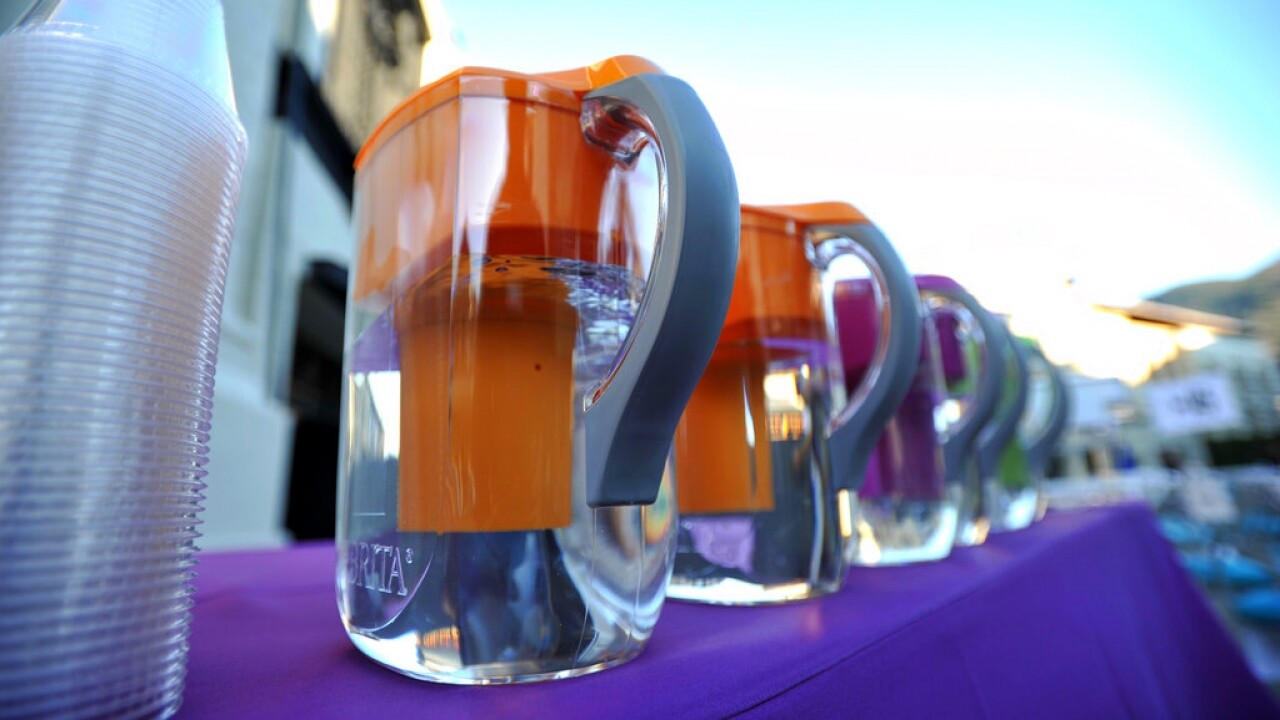
Clean water is one of the most important parts of a healthy life. People use water every day for drinking, cooking, brushing teeth, and washing food. But many homes still worry about what is actually in their tap water. This is why water filters have become so popular. Two of the biggest names people talk about are pur or brita. These brands are known for making easy-to-use water filters that fit into daily life without stress. The big question is simple but important: when choosing pur or brita, which one gives you the best safe water fix?
What Does a Water Filter Do and Why It Matters
A water filter is a tool that removes unwanted particles from water before you drink it. These particles can include dirt, chlorine, rust, heavy metals, and even tiny germs. While tap water is treated by city systems, it still can pick up problems as it moves through old pipes and storage tanks.
Imagine running water through a dirty sponge. Even if the water starts out clean, it can collect dirt along the way. A water filter acts like a strong cleaner that makes sure your water is safer and tastes better at the very end.
When people compare pur or brita, they are really comparing which system does a better job at this final cleaning step.
Understanding the Pur or Brita Brand Difference
Pur and Brita are both trusted brands, but they take slightly different paths to reach the same goal. Each brand has built its name on providing safer water at an affordable cost.
Pur is known for focusing strongly on removing heavy metals like lead and mercury. Brita is known for improving taste and reducing chlorine and other common chemicals. When people search for pur or brita, they are usually trying to decide which of these approaches fits their needs.
Both brands make water filter pitchers, faucet filters, and replacement filter cartridges. The difference shows in how they filter, how long they last, and how much they cost over time.
How Pur Filters Work
Pur filters use a mix of activated carbon and special ion exchange materials. Activated carbon works like a magnet for dirt, chlorine, and bad smells. Ion exchange helps remove heavy metals from water.
When water passes through a Pur filter, several steps happen inside:
- Chlorine taste and smell are reduced
- Lead and other metals are trapped
- Sediment like sand or rust is filtered out
This system is useful in older homes where pipe systems may add more metals into water.
In many tests, Pur filters show strong results in removing harmful substances. This is one reason people often choose pur or brita and lean toward Pur when safety is their top worry.
How Brita Filters Work
Brita filters also use activated carbon, along with their own special blend of filtering materials. Brita focuses heavily on improving water taste while reducing many common chemicals.
When water flows through a Brita filter:
- Chlorine taste and smell are lowered
- Copper, zinc, and some other metals are reduced
- Small particles are removed
Brita filters are very popular in homes where the water tastes bad but is mostly safe already. Many users who search for pur or brita want to know if Brita is only for taste or also for safety.
The truth is that Brita does both, but its main strength is in improving taste and clarity.
Pur or Brita for Lead Removal
One of the biggest worries people have about water is lead. Lead can harm the brain, especially in children. So when choosing pur or brita, lead removal becomes a very serious question.
Pur filters are certified to remove higher levels of lead compared to many Brita models. Pur advertises strong lead reduction in both pitchers and faucet-mounted filters. This makes Pur a strong choice for homes with older plumbing.
Brita also removes lead, especially in its higher-end filters. But some basic Brita filters focus more on taste than heavy metal removal.
If lead safety is your top concern, Pur often takes the lead in the pur or brita debate.
Pur or Brita for Taste Improvement
Taste matters a lot. If water tastes bad, people drink less of it and turn to sugary drinks instead. In this area, Brita is a favorite.
Brita filters are well known for removing chlorine taste and odor very effectively. Many users report that Brita water tastes clean and fresh right away.
Pur also improves taste, but its flavor improvement may feel slightly different due to its stronger metal filtering. Some people say Pur water tastes more “neutral,” while Brita water tastes lighter.
For families focused on taste over heavy metal removal, Brita often wins in the pur or brita choice.
Types of Pur or Brita Filters You Can Buy
Both brands sell several types of filters designed for different lifestyles. Understanding these can help you decide better.
Water Filter Pitchers
These are the most common filters. You pour tap water into the top, and the clean water collects below.
- Easy to use
- Affordable
- Good for small families
Both Pur and Brita make pitchers in many sizes. This makes pur or brita pitchers a direct head-to-head comparison.
Faucet-Mounted Filters
These attach directly to your kitchen tap. You can switch between filtered and unfiltered water with a lever.
- No waiting for water to filter
- Saves fridge space
- Strong filtration
Pur faucet filters are very popular for their strong lead removal. Brita faucet filters are easier to install in many homes.
Dispenser and Bottle Filters
Some people use large counter dispensers or water bottles with built-in filters for school, travel, or work.
Both pur or brita offer portable options for people on the go.
Ease of Use: Which Is Simpler Day to Day
Ease of use is important for busy families. Both brands focus on simple design, but there are small differences.
Brita pitchers often have flip-top lids that make refilling fast. Many models also have electronic filter-change reminders.
Pur pitchers also have reminders, but some users say the lids are slightly harder to open with one hand.
Faucet filters from Pur may take a few extra minutes to install compared to Brita. However, once installed, both work with one simple switch.
In daily use, the pur or brita choice comes down to personal comfort more than big performance gaps.
Filter Life and Replacement Costs
Filter life affects both cost and convenience. No one wants to replace filters too often, but waiting too long can reduce water safety.
Pur filter pitchers usually last around 40 gallons. Faucet filters may last about 100 gallons.
Brita pitcher filters often last around 40 to 120 gallons depending on the model. Some advanced Brita filters last much longer.
When comparing pur or brita, Brita often wins in filter life, but Pur may offer stronger safety per gallon.
The cost over time depends on:
- How much water your family drinks
- Which filter model you choose
- Local filter prices
In most homes, yearly costs for both brands stay within a similar range.
Real-Life Family Case Study: Choosing Pur or Brita
A family of four living in an older neighborhood noticed brownish water sometimes coming from their kitchen tap. They tested their water and found small amounts of lead. After researching pur or brita, they chose a Pur faucet filter because of its strong lead removal.
Within days, they felt more confident about cooking and making baby formula. The water tasted cleaner, and the brown color was gone.
Another family in a newer apartment had no lead issue but hated the strong chlorine taste in their water. They chose a Brita pitcher. The taste improved within the first few fills, and the family began drinking more water instead of soda.
These real-life examples show that pur or brita works best when matched to your home’s exact needs.
Pur or Brita for Kids and Elderly Safety
Children and the elderly are more sensitive to water quality. For kids, clean water supports brain growth and healthy digestion. For seniors, it protects the heart and kidneys.
Pur’s stronger heavy metal filtering is useful in homes with babies and toddlers. Brita’s focus on taste encourages elderly people to drink more water, preventing dehydration.
This makes the pur or brita decision personal and based on who will be drinking the water most often.
Environmental Impact of Pur or Brita Filters
Plastic waste is a growing concern. While both brands reduce bottled water use, they still rely on plastic filter cartridges.
Brita runs recycling programs in many regions where you can mail used filters back. Pur also offers recycling in some areas, though availability may vary.
Using pur or brita filters already lowers environmental damage by reducing bottled water waste. One family using a filter can stop hundreds of plastic bottles from ending up in landfills each year.
Speed of Filtration and Daily Convenience
No one likes waiting long for water, especially during busy mornings.
Brita pitchers are known for faster flow rates. Many models filter water quickly without backup.
Pur pitchers may filter slightly slower because of their denser filtering materials. This slower speed often means stronger filtering.
For faucet models, both pur or brita deliver filtered water instantly with a simple switch.
Which Is Better for Cooking: Pur or Brita
Filtered water improves the taste of food as well. Pasta, rice, soups, coffee, and tea all taste better with clean water.
Brita-filtered water often shines in coffee and tea because it removes chlorine without changing minerals too much.
Pur-filtered water is ideal for cooking foods where safety is the main concern, especially for baby food and soups for sick family members.
Both pur or brita improve cooking results, but in slightly different ways.
Comparing Certifications and Safety Standards
Both brands follow strict safety rules. They are certified by trusted organizations to reduce harmful substances.
Pur filters often show strong certifications for lead and mercury reduction.
Brita filters show certifications mainly for chlorine, copper, and zinc reduction.
These certifications help shoppers trust pur or brita without guessing about results.
Price Comparison Between Pur or Brita
Initial costs for pitchers and faucet filters are usually affordable for both brands.
- Entry-level pitchers from both brands are budget-friendly
- Faucet filters cost more but offer long-term value
- Replacement filters add to yearly expense
In some regions, Pur replacement filters cost slightly more due to stronger filtration materials. In other areas, Brita’s long-life filters save money over time.
Price differences are usually small when looking at pur or brita overall performance and safety benefits.
Pur or Brita for Hard Water Areas
Hard water contains high levels of minerals like calcium and magnesium. This can leave white marks on dishes and kettles.
Brita filters reduce some mineral effects, improving taste and reducing scale buildup.
Pur filters focus more on metals than hardness minerals, so limescale issues may continue.
In hard water areas, Brita often feels like the better pur or brita choice for visible improvements.
Maintenance Tips for Pur or Brita Filters
To keep your water safe, filters must be replaced on time.
Simple maintenance steps include:
- Replace the filter when the reminder light turns on
- Clean pitchers weekly with mild soap
- Do not expose filters to hot water
- Store filtered water in a cool place
Skipping these steps can reduce the effectiveness of pur or brita filters.
Common Myths About Pur or Brita
Many people think that all filters remove everything. This is not true. Pur or brita filters improve water quality but do not remove all bacteria or viruses.
Another myth is that once filtered, water stays safe forever. In reality, filtered water should be consumed within a few days if stored in the fridge.
Understanding what pur or brita can and cannot do helps you use them correctly and safely.
Pur or Brita for Small Apartments vs Large Homes
In small apartments, a Brita pitcher is often enough because water needs are lower and fridge space is limited.
In large homes with many users, a Pur faucet filter or large dispenser makes more sense due to higher daily water use.
The right pur or brita setup depends on your home size, daily use, and plumbing quality.
Long-Term Health Benefits of Using Pur or Brita
Using filtered water daily can bring many health benefits:
- Reduced exposure to harmful metals
- Better hydration due to improved taste
- Lower risk of stomach irritation
- Healthier skin and hair
While pur or brita filters are not medical tools, they play a strong role in overall wellness.
The Final Verdict on Pur or Brita
The choice between pur or brita does not come down to one being perfect and the other being weak. Instead, it depends on what kind of water problem you face.
Choose Pur if:
- You live in an older home
- Lead and metal safety is your top concern
- You want strong faucet-mounted filtration
Choose Brita if:
- Your main problem is bad taste or chlorine smell
- You want faster filtration
- You prefer longer-lasting filters
Both brands improve daily water quality, reduce bottled water use, and support healthier living. The best safe water fix is the one that fits your actual needs.
Strong Conclusion: Making the Smart Choice for Your Home
Choosing between pur or brita is really about choosing confidence in your water. Clean water affects every part of your life, from the food you cook to the drinks your children enjoy. Pur stands strong in safety, especially for heavy metal removal. Brita shines in taste, speed, and everyday convenience. Both are trusted, tested, and proven to improve water quality in real homes.
At Deep Dive Picks, the best advice is simple: test your water, understand your needs, and then select the filter that matches your goals. Whether you choose pur or brita, you are taking a powerful step toward a healthier and safer life for yourself and your family. We update our homepage regularly with new features and highlights.
FAQs
Which is better for lead removal, Pur or Brita?
Is Pur better than Brita for removing lead?
Pur is often better for lead removal because its filters are designed specifically to trap heavier metals. Many Pur filters are certified to remove higher levels of lead compared to basic Brita models.
Do Pur or Brita filters remove bacteria?
Can Pur or Brita kill germs in water?
Pur or Brita filters do not remove all bacteria and viruses. They are designed mainly for chemicals, metals, and taste improvement. For full germ removal, boiling or special purification systems are needed.
How often should I replace Pur or Brita filters?
When should filters be changed for best safety?
Most Pur and Brita pitcher filters should be replaced every two to four months depending on use. Faucet filters usually last longer but should still be changed on time for best performance and safety.