Securing your home is a fundamental priority, yet many homeowners assume that robust home security solutions require substantial financial investment. The truth is, effective protection does not have to drain your savings. With careful planning, strategic choices, and an understanding of low-cost yet highly effective methods, you can create a secure environment for yourself and your family. This comprehensive guide explores budget-friendly approaches to Home Security, covering both technological and practical measures that maximize safety without compromising your financial stability.
Understanding the Importance of Home Security
The concept of home security goes beyond simply preventing theft. It encompasses safeguarding your family, personal belongings, and peace of mind. A well-secured home can deter potential intruders, reduce vulnerability to emergencies, and even lower homeowner insurance premiums. For those on a budget, understanding the core principles of home security is essential. Effective measures combine visibility, monitoring, deterrence, and accessibility control. Implementing these strategies does not always require high-end gadgets or expensive subscriptions; often, thoughtful organization and inexpensive tools can achieve remarkable results.
Assessing Your Home’s Vulnerabilities
Before investing in any home security solution, it is crucial to conduct a thorough assessment of your property. Identify potential entry points such as doors, windows, garages, and basement access points. Take note of poorly lit areas around your home, obscure corners, and hidden spaces that may attract intruders. Understanding these vulnerabilities allows you to focus your budget on areas with the highest risk, ensuring that even affordable measures are implemented strategically for maximum impact.
Entry Points: The First Line of Defense
Doors and windows are the primary entry points for most intrusions. Strengthening these areas is an essential step in home security on a budget. Installing reinforced door locks, strike plates, and door jammers can significantly increase resistance to forced entry without requiring costly security systems. Window security can be enhanced using window locks, security film, or inexpensive motion-sensitive alarms. Even simple changes, like ensuring that sliding doors have sturdy bars or secondary locks, contribute greatly to overall safety.
Lighting: A Low-Cost Deterrent
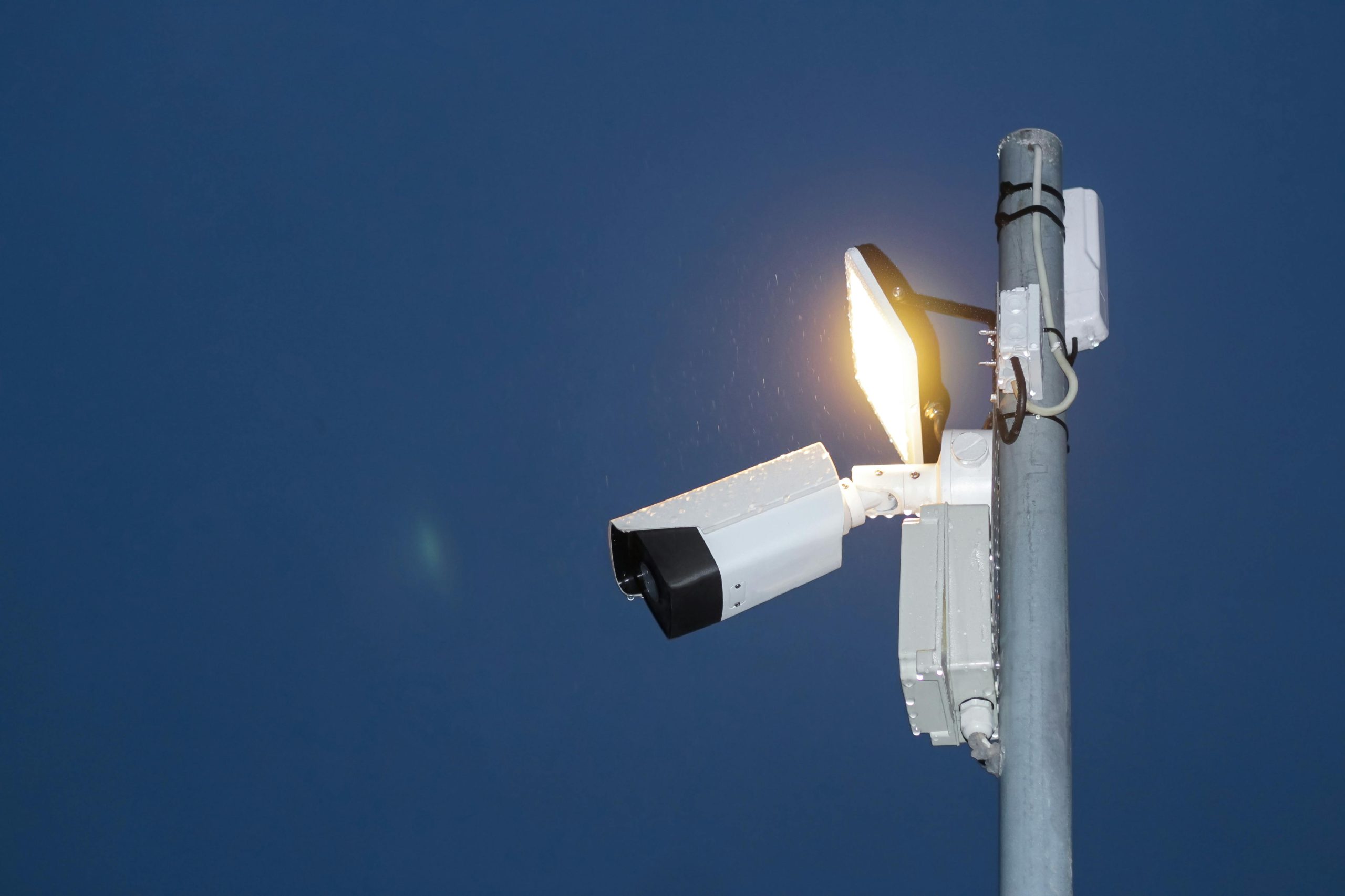
Lighting is one of the most cost-effective strategies in home security. Criminals often exploit dark areas around properties to approach undetected. Installing motion-activated outdoor lights around entry points, walkways, and dark corners creates visibility that deters potential intruders. Solar-powered lights are an excellent budget-friendly option, offering illumination without increasing energy bills. In addition to safety, proper lighting enhances your property’s aesthetic appeal, making it both functional and attractive.
Affordable Technological Solutions
Modern technology provides a range of home security solutions that are both effective and budget-friendly. While high-end smart security systems can be expensive, several cost-efficient alternatives deliver strong protection with minimal investment.
DIY Security Cameras
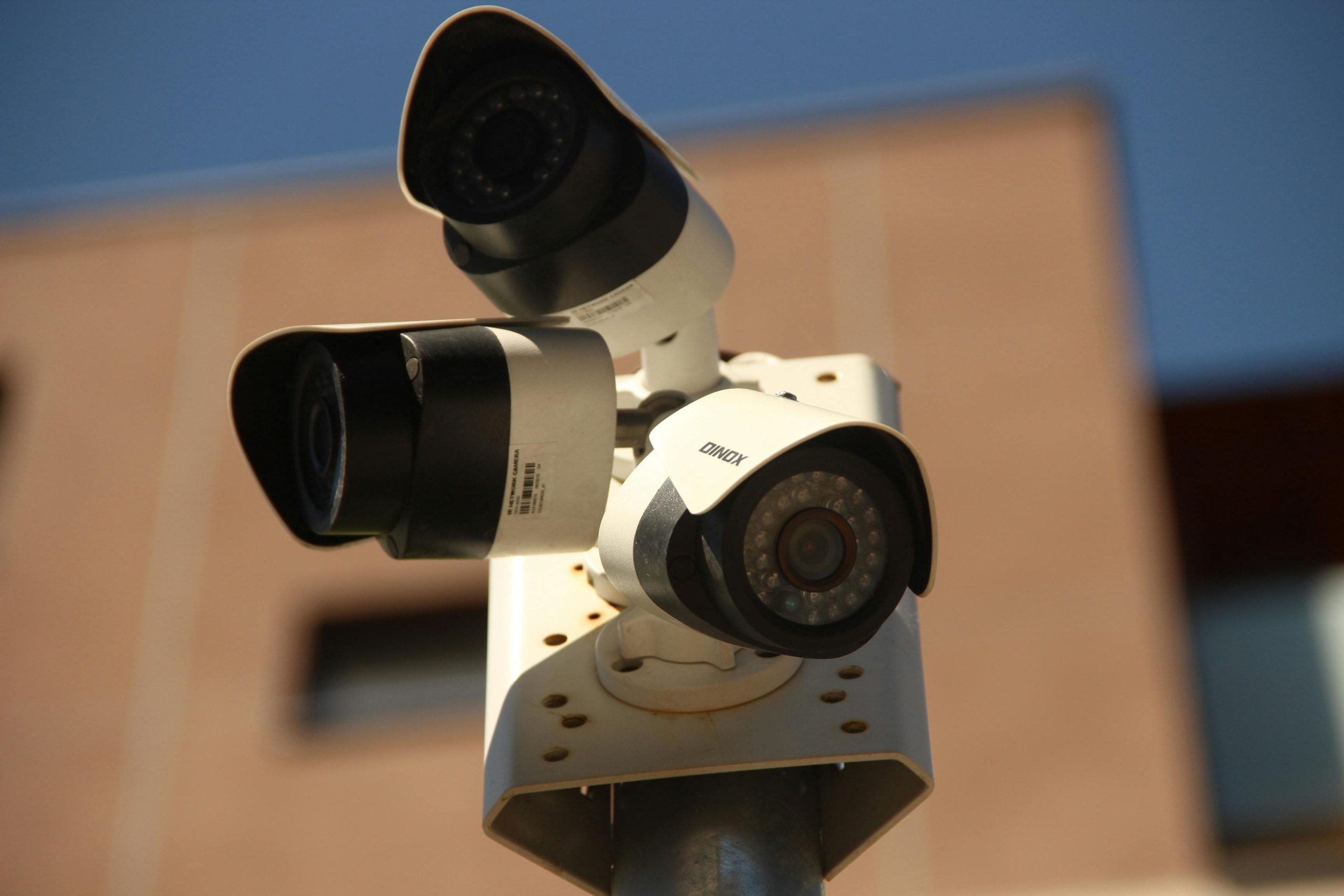
Do-it-yourself (DIY) security cameras have revolutionized home security for budget-conscious homeowners. Affordable cameras with wireless connectivity and cloud storage options allow real-time monitoring of your property from smartphones. Installing cameras at key locations such as front doors, driveways, and backyards acts as both a deterrent and a monitoring tool. Many models also include night vision, motion detection, and instant notifications, offering comprehensive surveillance at a fraction of the cost of professional systems.
Smart Doorbells and Sensors
Smart doorbells and entry sensors are additional low-cost tools that enhance home security. These devices allow homeowners to monitor visitors, record interactions, and receive instant alerts when doors or windows are opened unexpectedly. Many affordable models do not require subscription fees and are easy to install, providing a practical solution for maintaining security without relying on expensive monitoring services.
Alarm Systems on a Budget
Contrary to common belief, alarm systems do not always require monthly fees or professional installation. Budget-friendly, wireless alarm kits can be purchased for one-time costs and set up independently. These systems typically include door and window sensors, loud alarms, and optional remote alerts. The mere presence of a visible alarm system often discourages potential intruders, reinforcing safety without substantial financial commitment.
Physical Security Measures That Save Money
Beyond technology, physical measures play a critical role in home security. These inexpensive solutions enhance safety while requiring minimal ongoing investment.
Reinforcing Doors and Windows
Investing in sturdy doors and high-quality locks is one of the most reliable budget-friendly steps in home security. Reinforcing weak doors with deadbolts, metal strike plates, or door braces can prevent forced entry effectively. For windows, affordable security bars, tempered glass, or shatter-resistant film provide extra protection. While these solutions may seem simple, they significantly increase the time and effort required for intruders to gain access, which can deter most attempts altogether.
Neighborhood Watch and Community Engagement
One of the most effective and cost-efficient methods of home security is active community engagement. Participating in a neighborhood watch program or collaborating with neighbors to monitor unusual activities provides an added layer of protection at no cost. Criminals are less likely to target areas where community vigilance is high, making social involvement a powerful security tool. Sharing information about suspicious behavior, coordinating patrols, and maintaining visibility contributes to collective safety and reinforces personal security.
Securing Valuables Within the Home
While safeguarding your property from external threats is crucial, protecting valuables inside the home is equally important. Budget-conscious homeowners can invest in inexpensive safes, lockboxes, or hidden storage compartments to secure important documents, electronics, and personal items. Strategically placing valuables out of sight reduces the risk of theft, even if intruders gain temporary access. Home security is most effective when it combines prevention, deterrence, and internal safeguards.
Cybersecurity and Smart Home Integration
In today’s connected world, home security is not limited to physical protection. Smart homes with internet-connected devices require cybersecurity measures to prevent unauthorized access. Affordable steps include changing default passwords, enabling two-factor authentication, and keeping firmware updated. Budget-conscious homeowners can prioritize essential devices such as cameras, smart locks, and Wi-Fi networks, ensuring they are secure against digital intrusions. Integrating cybersecurity with physical security creates a comprehensive, layered approach without excessive expense.
The Role of Smart Lighting and Automation
Smart lighting systems enhance both convenience and security without breaking the bank. Programmable lights simulate occupancy when homeowners are away, deterring potential intruders. Budget-friendly automation devices allow scheduling of lights, door locks, and cameras to create a constantly monitored environment. This strategy combines affordability, ease of use, and enhanced home security, making it accessible to homeowners on tight budgets.
Practical Lifestyle Habits for Security
While devices and physical measures are vital, daily habits significantly influence home security. Adopting consistent practices enhances safety without additional expenditure.
Locking Doors and Windows Consistently
The simplest yet often overlooked measure is routinely locking all doors and windows, even when at home. This practice minimizes opportunities for opportunistic intruders and complements more advanced home security systems. Educating family members about consistent habits ensures that security measures are reinforced continuously, maintaining a safe environment.
Concealing Absences and Deliveries
Visible indicators of absence, such as overflowing mailboxes or unattended packages, attract unwanted attention. Budget-friendly strategies include asking neighbors to collect mail, using lockable delivery boxes, or scheduling deliveries when someone is home. These practical steps prevent burglars from identifying vulnerable periods, reinforcing overall home security without costly interventions.
Establishing Emergency Plans
Preparedness is a crucial aspect of home security. Budget-conscious homeowners can develop emergency plans detailing evacuation routes, safe rooms, and communication methods in case of intrusions or other crises. Sharing these plans with family members enhances confidence and readiness, ensuring that low-cost measures are supported by practical knowledge and organization.
Prioritizing Security Investments
While maintaining a budget, it is essential to prioritize home security investments based on risk assessment and impact. Start with fundamental measures such as door and window reinforcement, lighting, and basic alarm systems. Gradually add technology upgrades like cameras, smart locks, and sensors as funds allow. This incremental approach ensures continuous improvement in security while preventing financial strain.
Balancing Cost and Effectiveness
Every homeowner faces the challenge of balancing affordability with effectiveness. It is important to avoid cheap, low-quality products that fail to provide reliable protection. Instead, focus on high-impact, low-cost solutions such as motion-activated lights, DIY cameras, and strong locks. These measures deliver tangible results while respecting budget constraints, creating a practical and sustainable home security plan.
Conclusion
Securing your home on a budget is not only possible but also highly effective when approached strategically. By assessing vulnerabilities, investing in cost-efficient technology, reinforcing physical access points, and adopting practical habits, homeowners can achieve comprehensive home security without overspending. Combining physical measures, digital protection, and lifestyle practices creates a layered defense that deters intruders and provides peace of mind. With careful planning and informed decisions, protecting your home does not have to be a financial burden—it can be an achievable reality for everyone. For further information, please visit our main page.