Understanding Flyscreens and Their Benefits
Flyscreens have become a staple in many homes, providing a practical solution for keeping insects at bay while allowing fresh air to circulate. Installing a flyscreen is an effective way to enhance comfort, especially during warmer months. With a variety of styles and options available, it’s important to understand what flyscreens are and the benefits they bring, such as protection from pests and improved airflow. For a wide selection of flyscreens, you can check out Flyscreenmaxx.
What are Flyscreens?
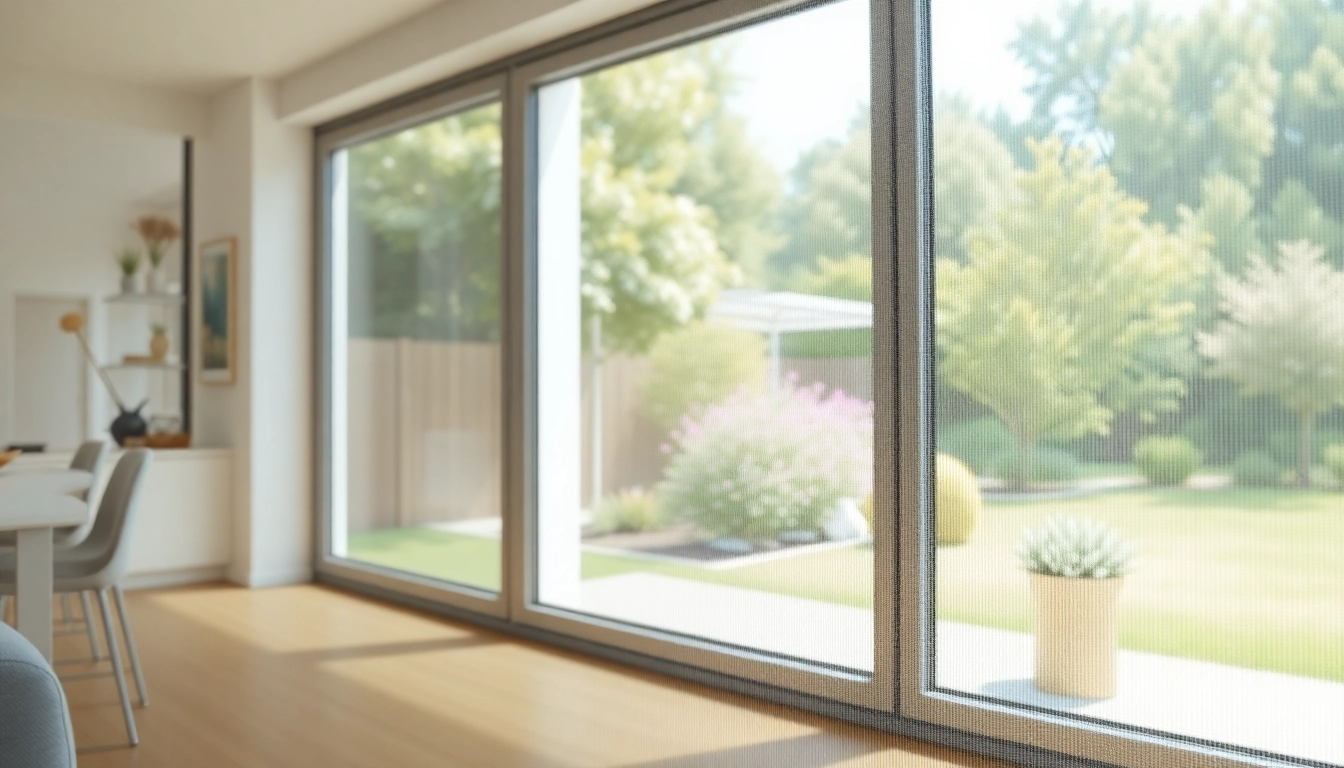
Flyscreens, often referred to as insect screens, are mesh panels installed over windows and doors. They serve as a barrier that prevents insects from entering living spaces while still permitting airflow and light. Constructed from materials such as fiberglass, aluminum, or stainless steel, flyscreens can be custom-designed to fit various openings, ensuring they are both functional and aesthetically pleasing.
Advantages of Installing Flyscreens
One of the primary advantages of flyscreens is their effectiveness in enhancing indoor air quality. By allowing fresh air to circulate without letting in bugs, flyscreens create a more comfortable living environment. Additionally, they can reduce the need for artificial cooling, potentially lowering energy bills. Flyscreens also provide a protective barrier against dust and debris, thus contributing to a cleaner home. Beyond practical benefits, flyscreens add an elegant touch to windows and doors, boosting the overall appearance of your home.
Choosing the Right Flyscreen for Your Space
Selecting the appropriate flyscreen involves considering multiple factors. First, assess the size of your windows and doors; accurate measurements are essential for a perfect fit. Secondly, think about the style and color of the flyscreen. They come in various designs and finishes to complement your home’s decor. Lastly, consider functionality—do you want a fixed screen for permanent installation, or would a removable option offer more flexibility?
Types of Flyscreens Available
Fixed vs. Removable Flyscreens
Flyscreens can be categorized into two main types: fixed and removable. Fixed flyscreens are permanently attached, offering a long-term solution for homes in insect-prone areas. They are ideal for windows that are not frequently opened. Removable flyscreens, on the other hand, can be easily taken down and re-installed, providing flexibility for seasonal use. Homeowners can adapt their screen solution according to their needs, particularly in regions with varying climates.
Material Options for Flyscreens
The materials used to make flyscreens significantly affect their durability and performance. Common options include:
- Fiberglass: Lightweight and resistant to rust, making it economical and popular for various applications.
- Aluminum: Known for its strength and longevity, it is a great choice for high-traffic areas.
- Stainless Steel: The most durable option, stainless steel flyscreens are perfect for coastal areas where corrosion is a concern.
- Pet-resistant materials: Extra-strong materials that withstand scratches from pets while still allowing air circulation.
Customizing Your Flyscreen
Customization allows homeowners to tailor flyscreens to their specific needs and preferences. Many manufacturers offer a range of colors and styles, enabling homeowners to select designs that enhance their home’s exterior. Custom flyscreens can also be adjusted for size and special features, such as magnetic closures for easy access. This level of customization ensures that every home can enjoy the benefits of flyscreens without compromising on aesthetics.
Installation Process for Flyscreens
Preparing the Area for Installation
Preparation is essential before installation. Start by cleaning the window or door frames to remove dirt and debris, ensuring a secure fit. It’s also important to check for any damage to the frame, as repairs may be necessary before installing the flyscreen. Having the right tools, such as measuring tape, screwdrivers, and a level, will facilitate a smoother installation process.
Step-by-Step Installation Guide
Installing a flyscreen can often be a straightforward DIY project. Follow these general steps:
- Measure the opening to get accurate dimensions for your flyscreen.
- Cut the flyscreen material to size, leaving a small margin for adjustments.
- If necessary, attach a frame to the screen using brackets or screws.
- Position the flyscreen against the opening, ensuring a snug fit.
- Secure the screen in place using adhesive strips, screws, or magnetic closures.
- Check the installation for gaps and adjust as needed to ensure complete coverage.
Common Mistakes to Avoid
When installing flyscreens, avoiding common pitfalls can save time and frustration. Ensure accurate measurements to prevent screens that are too large or too small. It is also critical not to rush the installation process; taking your time will help ensure that the flyscreen is securely fitted and not prone to falling out or causing gaps. Ensure the screen is level as misalignment can lead to functionality issues.
Maintenance of Flyscreens
Cleaning Techniques for Flyscreens
Regular maintenance extends the life of your flyscreens. Cleaning them at least once a season is advisable. Carefully remove the flyscreen from the frame, and use a soft brush or vacuum cleaner to remove dust and debris. Follow with a wash using mild soap and water. Rinse thoroughly and leave to dry completely before reinstalling.
Repairing Damaged Flyscreens
Should your flyscreen suffer damage, minor repairs can often be made without needing a full replacement. For small holes or tears, a patching kit can be used. Cut a patch from a spare piece of screen material and adhere it over the damaged area with a suitable adhesive. In cases of extensive damage, replacing the entire screen may be more efficient and provide a better result.
Seasonal Maintenance Tips
Seasonal changes can affect the integrity of your flyscreens. Inspect your flyscreens before and after major seasonal shifts. For instance, during spring and fall, check for any debris buildup that can affect air circulation and pest prevention. In winter, consider removing removable screens to protect them from harsh weather and prolonged moisture exposure.
Frequently Asked Questions About Flyscreens
How do I choose the right flyscreen size?
Measure the window frame carefully and consult size guidelines to ensure a perfect fit.
Can I install flyscreens myself?
Yes, following manufacturer instructions, many can be installed as DIY projects.
Do flyscreens affect airflow?
Not significantly; they allow air circulation while blocking insects effectively.
Are flyscreens washable?
Yes, most can be removed and cleaned with soap and water for long-lasting clarity.
What colors are available for flyscreens?
Flyscreens come in various colors to match or complement your home’s decor.