
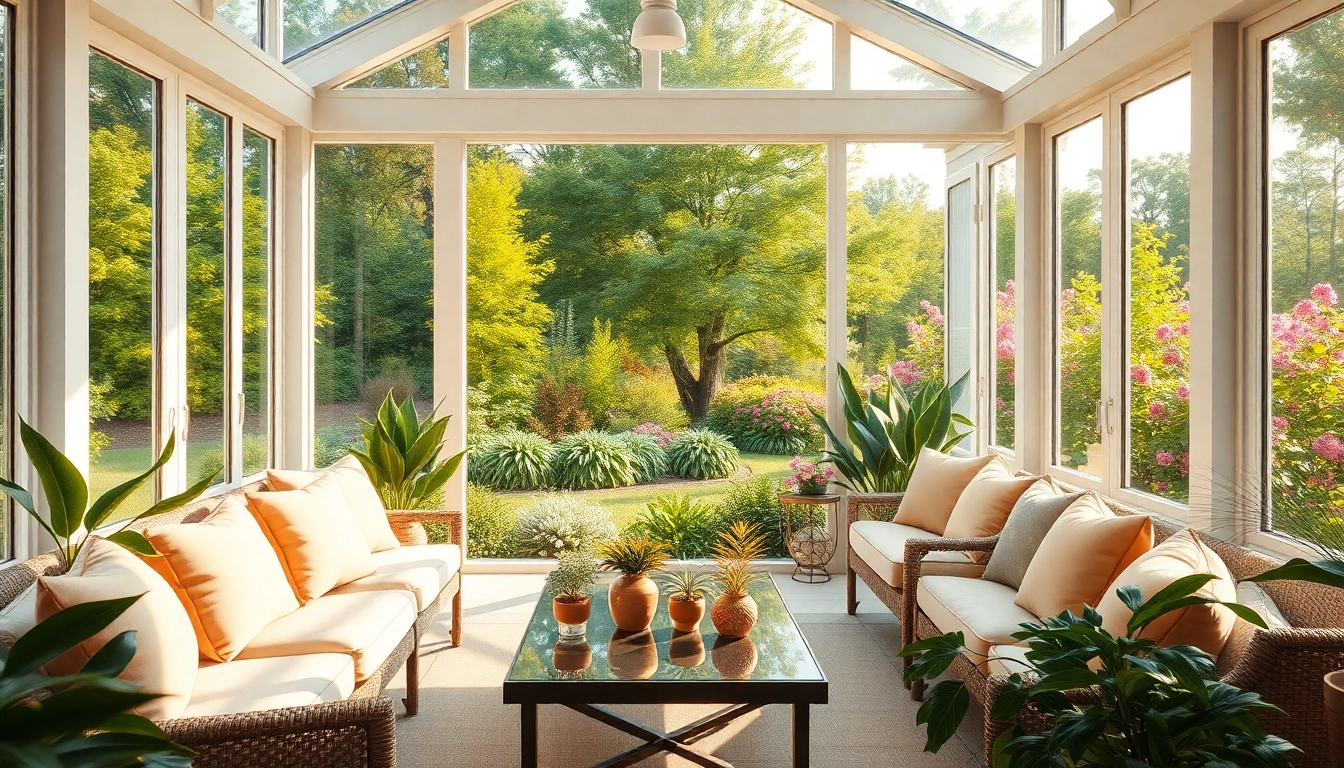
1. Understanding the Concept of Outdoor Sunroom
a. What is an outdoor sunroom?
An outdoor sunroom, often referred to as a solarium or patio room, is a structure that extends the living space of a home while allowing for ample sunlight. Primarily constructed of glass and other transparent materials, this space serves as a versatile area for relaxation, entertainment, gardening, or dining while being shielded from outdoor elements. A well-designed outdoor sunroom enhances the aesthetic appeal of a property and can adapt to a variety of uses based on personal needs and preferences.
b. Popular styles of outdoor sunroom
Outdoor sunrooms come in various styles catering to different tastes and architectural preferences. Popular designs include:
- Victorian Sunroom: Characterized by intricate details and ornate styling, typically featuring a curved roof and multiple glass segments.
- Contemporary Sunroom: Sleek lines and minimalistic framing offer a modern look, often with multi-slide doors that open to outdoor spaces.
- Georgian Sunroom: Symmetrical design with large windows, promoting a harmonious balance with traditional architecture.
- Gable Roof Sunroom: Features a gable-style roof offering high ceilings and excellent light flow, perfect for larger family gatherings or entertaining.
- Pergola Sunroom: Combines elements of an outdoor pergola with enclosed sections, promoting a blend of indoor and outdoor living.
c. Benefits of incorporating outdoor sunroom
The addition of an outdoor sunroom offers numerous benefits:
- Natural Light: A sunroom floods your home with sunshine, promoting a cheerful atmosphere and enhancing mood.
- Energy Efficiency: Modern sunroom designs often include energy-efficient glass options that can lower heating and cooling costs.
- Increased Property Value: An attractive, well-executed sunroom can significantly boost the market value of your home.
- Versatility: Sunrooms serve multiple purposes—from being a cozy reading nook to a vibrant greenhouse or yoga studio, adapting to your evolving needs.
2. Key Design Considerations for Outdoor Sunroom
a. Choosing the right location for outdoor sunroom
The selection of the ideal location for your outdoor sunroom is crucial. Factors to consider include:
- Sunlight Exposure: Ideally, place the sunroom in a location that receives adequate natural light throughout the day, such as south or west-facing areas.
- Privacy: Consider how the placement affects your privacy; a secluded spot away from public view may improve comfort.
- Proximity to Other Spaces: Position the sunroom near the kitchen or living area for smooth transitions, especially for entertaining guests.
- Climate Concerns: Understand your local climate, as this will dictate the type of insulation and windows required for year-round comfort.
b. Selecting materials for durability and style
The selection of materials directly impacts both the sunroom’s durability and aesthetic appeal. Key materials typically include:
- Glass: Double or triple-pane glass for insulation; tempered glass is recommended for safety.
- Frames: Aluminum, vinyl, or wooden frames can be chosen based on style and maintenance preferences.
- Roofing: Consider transparent roofing options, like polycarbonate or glass, to maximize natural light while protecting from elements.
c. Integrating outdoor sunroom with landscape design
To create a harmonious flow, integrating your sunroom with existing landscape is key. Explore various landscaping techniques:
- Plant Selection: Use native and seasonal plants that enhance your sunroom’s aesthetic appeal.
- Pathways: Incorporate stone or paved paths leading to your sunroom to improve accessibility and add visual interest.
- Seating Areas: Design outdoor seating areas adjacent to the sunroom for conversations and relaxation outside.
- Water Features: Adding a pond or small fountain can enhance tranquility and provide a serene setting around your sunroom.
3. Outdoor Sunroom Ideas for Different Climates
a. Seasonal outdoor sunroom options
For regions with distinct seasons, choosing suitable materials and designs can enhance year-round enjoyment. Consider these options:
- Three-Season Sunrooms: Light insulation and removable screens offer flexibility for spring, summer, and fall use.
- Seasonal Decor: Use decorations that resonate with each season, such as vibrant colors in summer and warm tones in winter.
b. Climate-controlled outdoor sunroom features
For those living in milder climates, climate-controlled features can be particularly beneficial to improve comfort:
- Heating and Cooling Systems: Use HVAC systems or portable heaters and fans to maintain an optimal temperature year-round.
- Insulated Windows: Select double or triple-glazed windows with Low-E coatings to reduce heating and cooling costs.
- Ventilation Options: Incorporate operable windows or vents to promote airflow during warmer months.
c. Customization for various styles and budgets
Every outdoor sunroom project can be tailored to individual needs by considering the following:
- DIY Kits: For budget-conscious homeowners, consider pre-fabricated kits available for purchase, providing an affordable option.
- Customized Designs: Work with an architect or designer to create a unique sunroom that fits both style and budget.
- Upcycled Materials: Use reclaimed wood or second-hand materials to reduce costs while promoting sustainability.
4. Outdoor Sunroom Installation Process
a. Planning and permits required for outdoor sunroom
Before beginning construction, planning is essential:
- Permits: Check local regulations to determine necessary permits for construction.
- Site Plans: Create thorough site plans detailing the projected location and dimensions of your sunroom.
b. DIY vs. professional installation
Weighing the pros and cons of DIY versus professional installation will guide decision-making:
- DIY Installation: Suitable for those with experience in construction; offers cost savings and customization.
- Professional Installation: Typically results in a quicker, hassle-free installation with warranties and guarantees on workmanship.
c. Essential tools and materials for building outdoor sunroom
Preparation with the right tools and materials streamlines the construction process. Essential items include:
- Tools: Cordless drills, saws, levelers, and safety equipment such as goggles and gloves.
- Materials: Choose high-quality lumber, insulation, and durable glass panes.
5. Frequently Asked Questions about Outdoor Sunroom
a. How much does an outdoor sunroom cost?
The cost of an outdoor sunroom varies widely. Basic kits start from a few thousand dollars, while custom designs can exceed $50,000 based on size, materials, and features.
b. Do I need a permit for an outdoor sunroom?
Permit requirements for outdoor sunrooms depend on your local laws. Most regions will require a permit, especially for structural additions; check with your local authority.
c. What are the best materials for outdoor sunroom windows?
High-performance Low-E glass is ideal for sunroom windows. It minimizes UV rays, improves energy efficiency, and reduces glare, ensuring a comfortable interior environment.
d. Can I use my sunroom year-round?
Yes, if designed and built with proper insulation, heating, and cooling options, outdoor sunrooms can be utilized throughout the year, regardless of the season.
e. What is the difference between a sunroom and a solarium?
A sunroom is generally a more versatile space that may lack walls entirely or have removable sections, while a solarium is fully enclosed with glass, focusing primarily on maximizing sunlight and views.


