
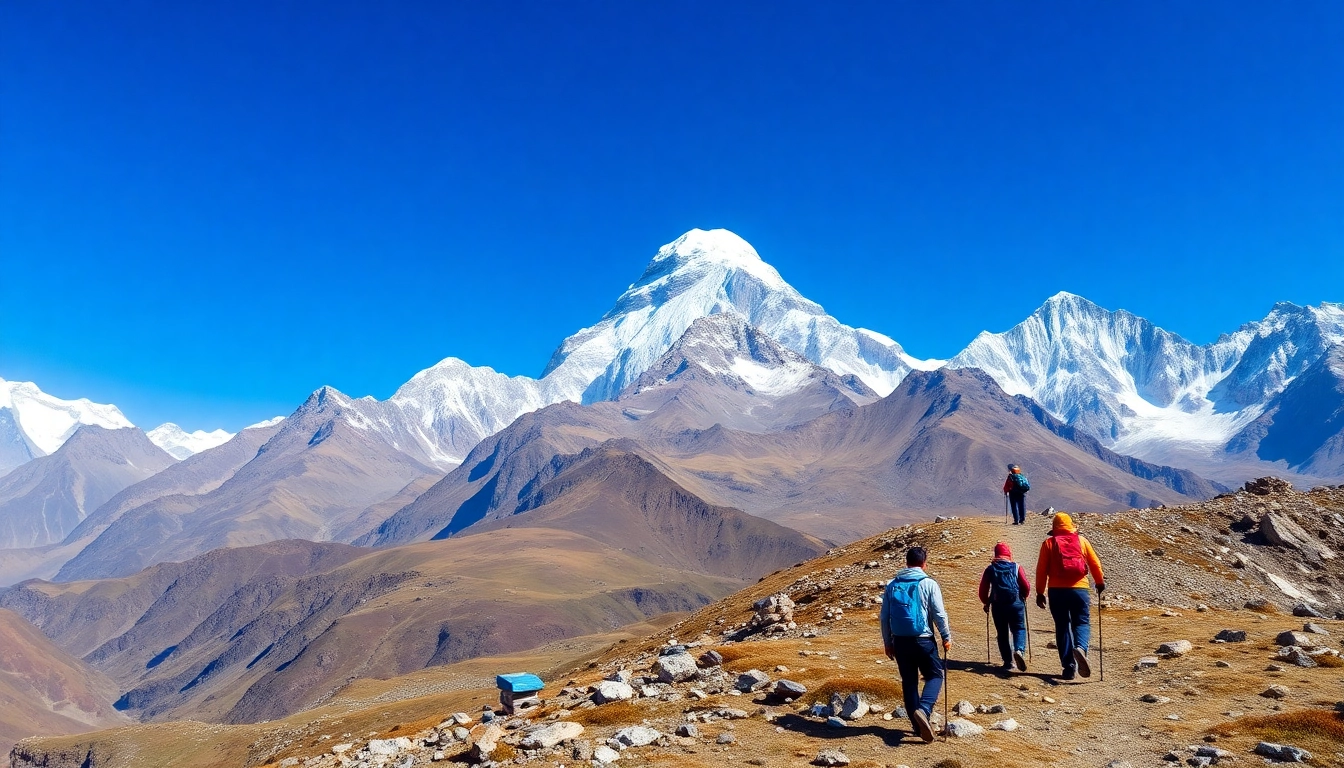
Understanding the Everest Base Camp Trek
The Everest Base Camp Trek is not just a journey; it’s a life-changing adventure that takes you to the heart of the Himalayas, where you will witness the majestic peaks of the world, including Mount Everest, the tallest of them all. This trek is renowned for its breathtaking landscapes, rich cultural experiences, and the physical challenge it presents to trekkers of varying skill levels. Travelers from all over the globe aspire to reach Everest Base Camp, making it one of the most sought-after trekking destinations. If you’re ready to embrace this adventure, Everest base camp offers insights that can help you prepare effectively for your journey.
Overview of the Trekking Experience
The Everest Base Camp Trek typically spans 14 days, allowing for gradual acclimatization to the high altitude of approximately 5,364 meters (17,598 feet). This careful pacing is crucial as it helps mitigate the risks associated with altitude sickness. The trek begins in Kathmandu, where you will be immersed in the vibrant culture of Nepal before setting off on your Himalayan adventure. The trek itself leads you through picturesque Sherpa villages, ancient monasteries, and lush forests, offering stunning views of snow-capped peaks along the way.
Significance of Everest Base Camp
Everest Base Camp holds a significant place in the hearts of adventurers and mountaineers. It serves as the starting point for climbers attempting to summit Mount Everest. However, you don’t have to be an experienced climber to appreciate its beauty; the trek to Base Camp provides ample opportunities to appreciate the unparalleled landscapes and learn about the rich culture of the Sherpa people. As you trek, you will encounter prayer flags, mani stones, and the warm hospitality of the locals, enhancing your connection to this magnificent region.
Essential Preparations for Trekking
Before embarking on the trek, thorough preparation is key. This includes physical training, acquiring suitable gear, and understanding the cultural nuances of the region. Training should focus on building endurance through activities such as hiking with a weighted backpack, running, and strength training. Additionally, gathering the right equipment—like durable trekking boots, warm clothing, and hydration systems—is essential for a comfortable experience at high altitudes.
Short Itinerary for the Everest Base Camp Trek
Day-by-Day Trekking Breakdown
The standard itinerary for the Everest Base Camp Trek spans 14 days, starting with your arrival in Kathmandu and concluding upon your return. The journey includes pivotal stops such as Namche Bazaar, Tengboche, Dingboche, Lobuche, and Gorak Shep, each strategically placed for acclimatization and to enjoy stunning panoramic views. Below is a concise breakdown of the daily itinerary.
Key Highlights of Each Day
- Day 1: Arrival in Kathmandu and transfer to your hotel. Welcome dinner with the trekking team.
- Day 2: Fly to Lukla; trek to Phakding, settling in for the night in a mountain guesthouse.
- Day 3: Trek to Namche Bazaar, a vibrant Sherpa town known for its markets and views.
- Day 4: Acclimatization day with an optional hike to Hotel Everest View.
- Day 5: Trek to Tengboche, home to the famous monastery.
- Day 6: Trek to Dingboche with views of Ama Dablam.
- Day 7: Acclimatization at Dingboche; hike to Nangkartsang Peak.
- Day 8: Trek to Lobuche, passing memorials for fallen climbers.
- Day 9: Trek to Everest Base Camp and return to Gorak Shep.
- Day 10: Early morning hike to Kala Patthar for sunrise views of Everest.
- Day 11: Descend to Pheriche, followed by a trek to Namche Bazaar.
- Day 12: Trek back to Lukla.
- Day 13: Fly back to Kathmandu and transfer to your hotel.
- Day 14: Final departure from Kathmandu.
Importance of Acclimatization Days
Acclimatization days are crucial in helping your body adjust to the high altitudes, minimizing the risk of altitude sickness. During these days, it’s beneficial to engage in light activities such as hiking to nearby viewpoints. This allows your body to adapt while also providing opportunities for stunning views and cultural enrichment.
Cost and Inclusions of the Trek
Detailed Breakdown of Trek Costs
The cost of the Everest Base Camp trek can vary widely based on the services provided by different trekking agencies. The average cost ranges from $1,650 to $4,500, depending on factors such as group size and included amenities. Typically, a standard package includes accommodation, meals, all necessary permits, guide and porter services, and domestic flights.
What’s Included in Your Trek Package
- Two nights of hotel accommodation in Kathmandu.
- All meals during the trek.
- Experienced guide and porter services.
- Flight from Kathmandu to Lukla and back.
- All permits required for the trek.
- Comprehensive safety measures and first aid support.
Understanding Additional Expenses
While many costs are covered in the package, it’s essential to budget for additional expenses such as snacks, beverages, hot showers, and tips for your guides and porters. An estimated budget for these extras can be around $100 to $150 for the duration of the trek.
Packing Essentials for the Trek
Clothing and Gear Recommendations
Proper gear is vital for ensuring a comfortable trekking experience. Essential items include:
- Insulated sleeping bags rated for cold temperatures.
- Waterproof and breathable trekking boots.
- Layered clothing to manage varying temperatures.
- Sun protection gear, including hats and sunscreen.
Critical Items to Bring
In addition to clothing, be sure to pack these critical items:
- Hydration systems or water bottles.
- Basic first aid kit.
- Personal medications.
- Camera or smartphone for capturing memories.
How to Pack Efficiently for High Altitudes
When packing, keep in mind the weight limit for flights to Lukla, which is typically 15 kg. Organize your essentials so that you can access frequently used items easily, and prioritize lightweight materials that offer warmth and protection.
FAQs and Important Information
Common Concerns about Trekking to Everest Base Camp
This section addresses the most commonly asked questions by potential trekkers. Understanding the trek, its challenges, and preparation requirements can alleviate anxiety and ensure an enjoyable experience.
Health and Safety Tips While Trekking
It’s crucial to prioritize health and safety during the trek. Always stay hydrated, follow your guide’s instructions, and be aware of the symptoms of altitude sickness. Regularly check your body’s response to the altitude and communicate any concerns with your trekking team.
Frequently Asked Questions Answered
For those considering this trek, here are answers to some common questions:
- Do I need prior trekking experience? While prior experience is beneficial, it is not mandatory. Physical fitness and a positive attitude are key.
- What is the best time to trek? The ideal seasons are spring (March to May) and autumn (September to November).
- Can I trek solo? While it is technically possible, it is highly recommended to trek with a guide.


