
CCTV Video analytics is transforming the landscape of modern security, offering unprecedented capabilities to monitor, detect, and respond to incidents in real time. CCTV Video analytics allows organizations to go beyond simple recording and playback by analyzing video feeds instantly to identify suspicious activities, track individuals, and monitor critical areas. By integrating artificial intelligence and machine learning algorithms, CCTV Video analytics empowers security personnel to make faster decisions and improve overall safety. In today’s fast-paced environment, businesses and public spaces are increasingly relying on CCTV Video analytics to enhance situational awareness and streamline security operations.
Understanding CCTV Video Analytics
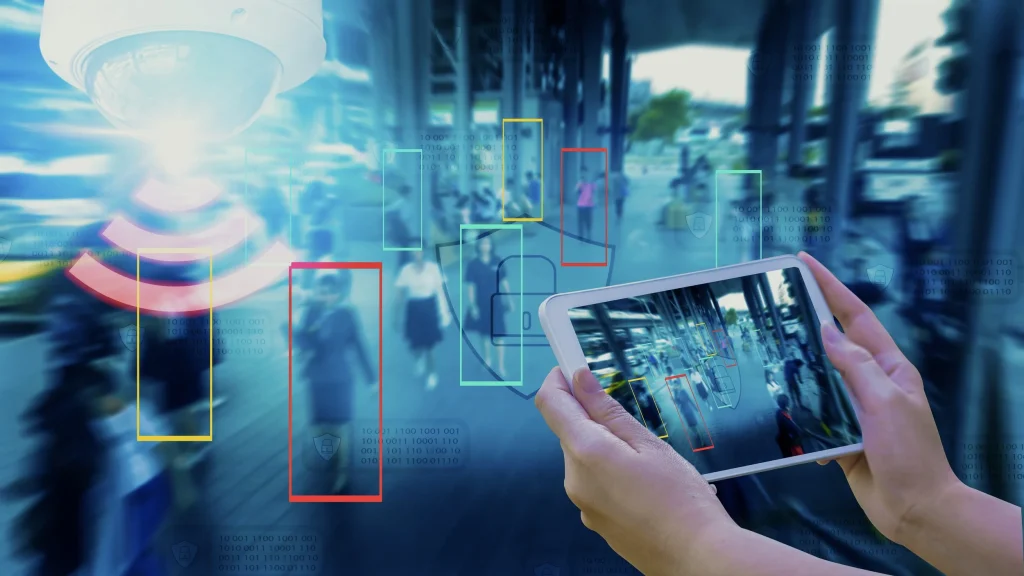
CCTV Video analytics refers to the technology that automatically processes video data to extract meaningful information. Traditional CCTV systems relied heavily on human monitoring, which was often inefficient and prone to errors. With CCTV Video analytics, AI-driven systems can detect unusual movements, recognize faces, count objects, and even identify abandoned items. The technology uses a combination of computer vision, machine learning, and pattern recognition to analyze each frame of video footage and generate actionable insights. This capability enables organizations to respond proactively to potential threats rather than reacting after incidents have occurred.
Key Features of AI-Powered Video Analytics
Modern CCTV Video analytics systems come equipped with a variety of advanced features designed to enhance security measures. Motion detection and object tracking are foundational functions that help identify movement in restricted zones. Facial recognition allows the system to match individuals against pre-stored databases, making it easier to identify intruders or track personnel. Advanced systems also include anomaly detection, which identifies unusual behaviors such as loitering, running, or unauthorized access. These features are critical in high-security environments such as airports, banks, and government facilities. Additionally, some systems provide heat maps and crowd analysis, helping organizations understand patterns of movement and optimize their security planning.
Benefits of CCTV Video Analytics
Implementing CCTV Video analytics provides several advantages over traditional surveillance methods. One of the most significant benefits is the reduction in manpower requirements, as AI can monitor multiple feeds simultaneously without fatigue. Another advantage is improved accuracy in threat detection, reducing false alarms and ensuring timely responses. CCTV Video analytics also offers detailed reporting and data storage capabilities, which are valuable for investigations and compliance purposes. Organizations can leverage these insights to identify vulnerabilities, optimize security protocols, and enhance operational efficiency. In addition, real-time alerts allow security teams to address incidents immediately, preventing potential losses and ensuring the safety of people and assets.
Applications Across Industries
CCTV Video analytics is widely applicable across various industries, from retail and transportation to healthcare and education. In retail environments, it can help prevent theft, monitor customer behavior, and optimize store layouts. In transportation hubs, AI-powered video analytics enhance passenger safety by identifying suspicious activities and ensuring smooth crowd management. Healthcare facilities use video analytics to monitor patient safety and enforce hygiene protocols, while educational institutions employ the technology to maintain secure campuses. Even smart city initiatives rely on CCTV Video analytics to manage traffic, detect accidents, and improve public safety. The versatility of this technology makes it an essential tool for any organization seeking to leverage AI for security purposes.
Challenges and Considerations
While CCTV Video analytics offers many benefits, it also comes with challenges. High-quality video feeds and reliable network infrastructure are essential for accurate analysis. Organizations must also address privacy concerns, as the technology involves extensive monitoring of individuals. Data storage and management can be complex, especially when dealing with large volumes of video footage. Integration with existing security systems requires careful planning to ensure seamless operation. Despite these challenges, the advantages of CCTV Video analytics often outweigh the drawbacks, especially when implemented with proper protocols and ethical considerations.
Future of Video Analytics in Security
The future of CCTV Video analytics is closely tied to advancements in artificial intelligence and machine learning. Predictive analytics, real-time behavioral analysis, and enhanced object recognition are emerging trends that will make security systems even smarter. Integration with IoT devices, drones, and automated response systems will further expand the capabilities of video analytics. As technology continues to evolve, CCTV Video analytics will play an increasingly critical role in safeguarding businesses, public spaces, and smart cities, offering a proactive approach to security that was previously unattainable.
FAQs About Video Analytics
What is the main purpose of CCTV Video analytics?
The main purpose is to enhance security by automatically analyzing video feeds to detect unusual activities, recognize individuals, and provide actionable insights in real time.
Can CCTV Video analytics reduce the need for human monitoring?
Yes, AI-powered analytics can monitor multiple camera feeds simultaneously, reducing the need for constant human supervision while improving detection accuracy.
Is video analytics applicable in small businesses?
Absolutely. Even small businesses can benefit from CCTV Video analytics for theft prevention, employee monitoring, and operational efficiency.
How accurate is AI-based video analytics?
Accuracy depends on the quality of cameras, algorithms, and system configuration, but modern solutions can achieve high levels of precision in detecting and identifying activities.
Does video analytics raise privacy concerns?
Yes, monitoring and data collection must be balanced with privacy regulations to ensure ethical use and compliance with laws.